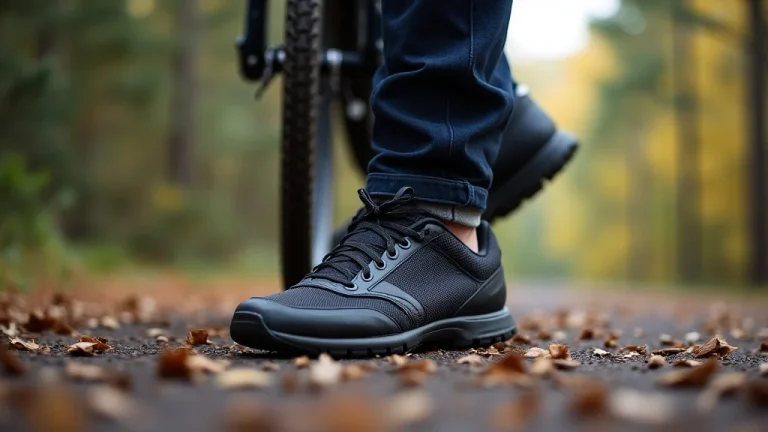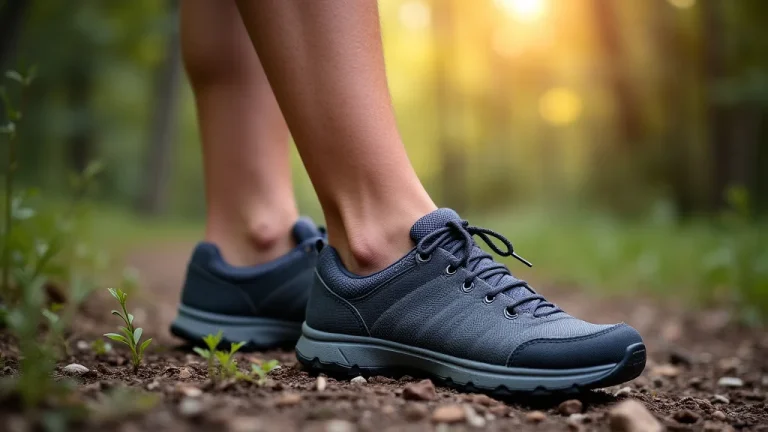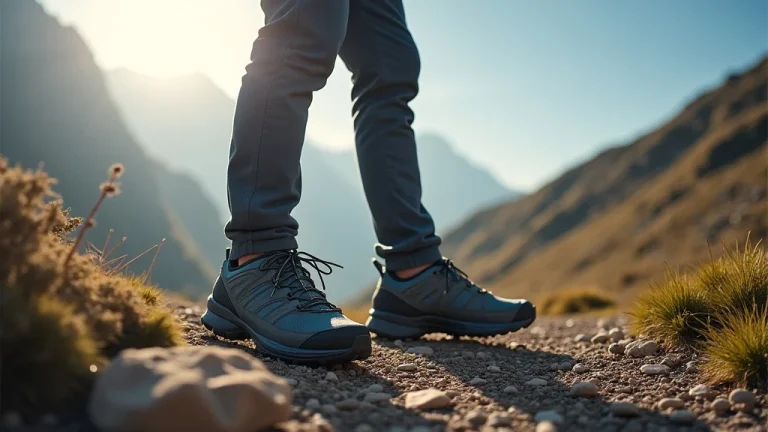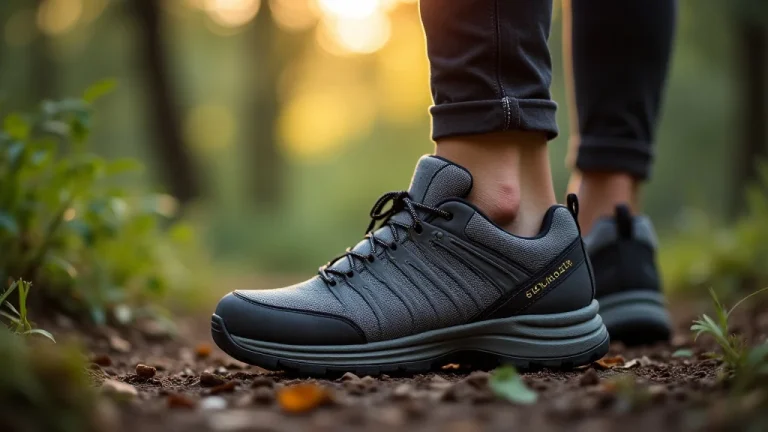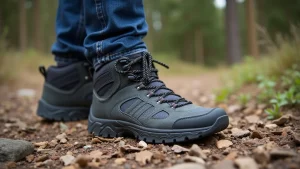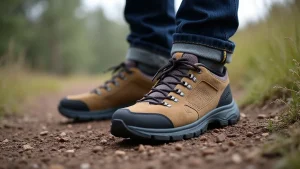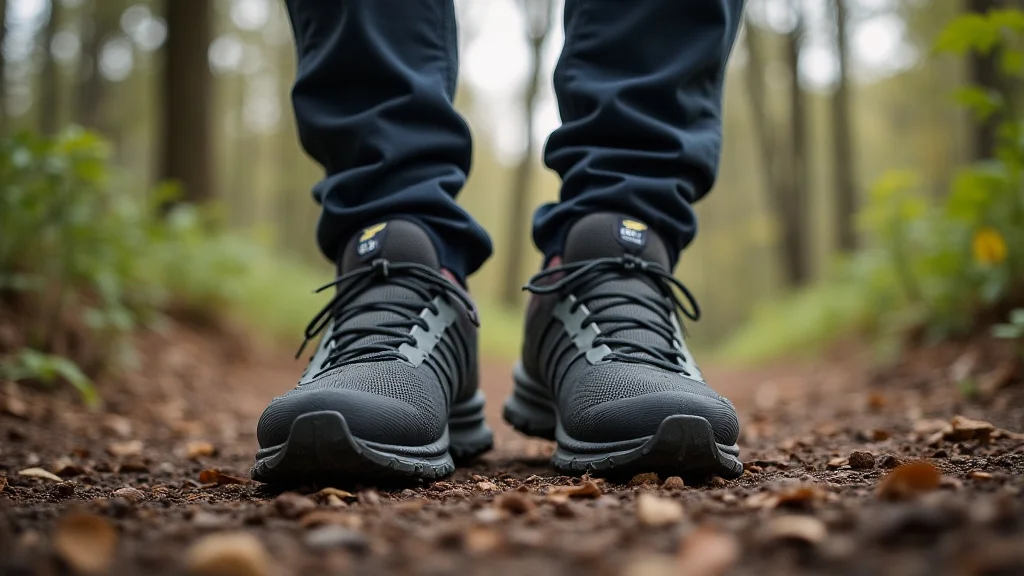
Picture this: you’re standing at the trailhead, the sun glinting off the peaks in the distance, ready to conquer the day. You reach down, tighten your laces, and feel the solid support of your feet encased in the X Ultra 4 Gore-Tex hiking shoes – men’s. But are they up to the challenge? This guide is your ultimate resource, exploring every aspect of these popular hiking shoes. You’ll learn about their design, materials, and real-world performance. You’ll also gain essential insights into choosing the right size, caring for your shoes, and maximizing their lifespan. Get ready to enhance your hiking experiences and choose the right footwear!
Key Takeaways
- The X Ultra 4 GTX are built to handle various hiking conditions and terrains.
- These shoes use waterproof and breathable materials to keep feet dry and comfortable.
- The design provides excellent support and stability for uneven ground.
- You’ll discover the best ways to care for your hiking shoes.
- Learn about the key features that set the X Ultra 4 GTX apart.
- This guide will help you decide if these shoes are right for your needs.
Unpacking the Design of the X Ultra 4
The X Ultra 4 Gore-Tex hiking shoes – men’s are designed with a specific purpose: to provide comfort, stability, and protection for hiking. The design choices are intentional, focused on providing the best possible experience on the trail. From the placement of the various materials to the overall shape, these shoes demonstrate a dedication to performance. Every element, from the outsole’s tread pattern to the upper’s construction, contributes to the shoe’s functionality.
The Upper: Breathability, Protection, and Support
The upper of a hiking shoe is critical. It’s the layer that wraps around your foot, offering protection from the elements, as well as providing support. The X Ultra 4 employs a mix of materials to achieve this balance. The primary materials consist of synthetic fabrics that are strong and abrasion-resistant, combined with a waterproof and breathable membrane. These shoes are made to keep your feet dry while letting moisture escape. The upper’s design also includes strategic overlays, which reinforce areas that endure the most wear and tear. Furthermore, the upper provides crucial support, wrapping the foot securely to reduce movement inside the shoe and prevent blisters.
- Gore-Tex Membrane: The X Ultra 4 Gore-Tex hiking shoes – men’s incorporate a Gore-Tex membrane, a waterproof and breathable fabric. This material prevents water from entering the shoe while allowing moisture vapor to escape.
- Abrasion-Resistant Synthetic Materials: The upper is constructed using durable synthetic materials. These materials resist wear and tear from rocks, roots, and other trail obstacles.
- Sensifit Technology: The shoes use Sensifit technology. This cradles the foot from the midsole to the lacing system, ensuring a secure and personalized fit.
Gore-Tex is a highly effective waterproof barrier, made from expanded polytetrafluoroethylene (ePTFE). This material has tiny pores that are smaller than water droplets but larger than water vapor molecules, making it waterproof yet breathable. The manufacturing process of Gore-Tex involves bonding the ePTFE membrane to other materials, like the shoe’s upper. This membrane is the key to keeping your feet dry in wet conditions, like rain, puddles, or streams.
Synthetic materials, like TPU (thermoplastic polyurethane) and mesh, are often used in the upper construction. TPU is exceptionally abrasion-resistant, which increases the shoe’s longevity. Mesh panels, in contrast, provide breathability, keeping your feet from overheating. Synthetic materials also typically dry faster than natural ones, which can be critical when hiking in varying conditions.
Sensifit technology, developed by Salomon, is a system that creates a snug, sock-like fit around the foot. The upper wraps the foot closely, reducing the possibility of movement within the shoe, which could cause friction and blisters. This results in enhanced stability and comfort, especially during activities on uneven terrain.
The Midsole: Cushioning and Stability
The midsole of the X Ultra 4 plays a role in both cushioning and stability. The midsole’s design greatly impacts the comfort and performance of the shoe. The materials used absorb impact, while the construction provides support that prevents fatigue. The midsole is a crucial element in providing a smooth and comfortable experience on the trail.
- EnergyCell: The midsole uses Salomon’s EnergyCell technology, which is a high-performance foam. This provides cushioning and shock absorption.
- Dual-Density Midsole: The use of a dual-density midsole offers enhanced stability. The denser material along the bottom edge provides support, particularly on uneven surfaces.
- Chassis Design: The chassis, built into the midsole, enhances the overall stability of the shoe.
EnergyCell is a type of foam that provides exceptional cushioning. It reduces the impact of each step and prevents fatigue, making it suitable for long hikes. This contributes to the overall comfort of the shoe and helps protect the feet from the constant pounding of the trail. The EnergyCell foam also offers energy return, providing an extra bounce that assists with forward movement.
A dual-density midsole means the midsole comprises two different densities of foam. The firmer, more dense section typically runs along the edge of the shoe. It offers greater resistance to compression and stabilizes the foot. The softer inner material is designed for comfort and shock absorption. This combination offers a balanced feel, providing both cushioning and stability for varied trail conditions.
The chassis is a structure that is integrated into the midsole to provide stability and support. Its primary function is to resist torsion and flex in the shoe, which is crucial on uneven terrain. The chassis helps to keep the foot aligned, reducing the risk of injuries and enhancing efficiency while hiking.
The Outsole: Grip and Traction
The outsole of the X Ultra 4 Gore-Tex hiking shoes – men’s is designed for grip and traction on various surfaces. The outsole’s design directly impacts the shoe’s ability to maintain a secure grip, essential for safety and efficiency. This design considers the varying conditions hikers encounter.
- Contagrip Outsole: Salomon’s Contagrip outsole offers excellent grip and durability. The tread pattern is specifically engineered for trail conditions.
- Lug Pattern: The multi-directional lug pattern provides enhanced grip, especially on ascents and descents.
- Optimal Rubber Compound: The rubber compound chosen for the outsole balances grip and abrasion resistance.
Contagrip is a rubber compound designed to maximize grip and durability. The specific type of Contagrip used in the X Ultra 4 is designed to perform on multiple surfaces, including rocky terrain, loose dirt, and wet conditions. The rubber compound offers a balanced blend of grip and durability. The pattern and depth of the lugs are engineered to provide maximum surface contact and excellent performance.
The lug pattern consists of various lugs (protrusions) on the outsole. These lugs are strategically positioned to grip the ground in different directions. This enhances grip during ascents, descents, and side-hilling. The lug depth impacts the shoe’s grip. Deeper lugs often provide better grip on softer ground. The lug spacing is also vital, impacting the shoe’s ability to shed mud and debris.
The type of rubber compound used for the outsole directly affects its performance. Softer rubber compounds generally provide better grip on wet or smooth surfaces but may wear down faster. Harder compounds are more durable but may offer less grip. The Contagrip outsole of the X Ultra 4 uses a rubber compound to balance these two key qualities. It provides reliable grip and ensures the shoes can withstand the wear and tear of the trail.
Materials and Technologies That Define the X Ultra 4
The X Ultra 4 Gore-Tex hiking shoes – men’s utilize various materials and technologies to offer performance and comfort. These components work together to provide a hiking experience. From waterproof membranes to supportive midsoles, each element of these shoes is designed to perform in challenging conditions. The choice of materials and the technology used determines how well the shoes provide protection, stability, and comfort on the trail.
Gore-Tex Technology
The incorporation of Gore-Tex technology is one of the most significant features of the X Ultra 4. Gore-Tex is a waterproof and breathable membrane. It is a critical factor in the shoe’s ability to perform in varied weather conditions. It provides a dry and comfortable environment for the feet, which helps prevent blisters and enhances overall hiking comfort.
- Waterproof Performance: The Gore-Tex membrane ensures that the shoes are waterproof. It prevents water from entering the shoe.
- Breathability: The Gore-Tex membrane allows moisture vapor to escape. This helps to keep the feet dry from sweat.
- Durability: Gore-Tex membranes are durable and maintain their waterproof and breathable qualities over time.
Gore-Tex fabric is designed with a specific structure that blocks water. The pores in the membrane are smaller than water droplets. It prevents water from the outside from penetrating into the shoe. This waterproof feature is especially beneficial in wet conditions.
While blocking water from the outside, the Gore-Tex membrane also allows moisture vapor (sweat) from inside the shoe to escape. This breathability prevents the buildup of moisture, which can cause discomfort and blisters. The breathability feature is crucial for maintaining a comfortable environment for your feet.
The Gore-Tex membrane is designed to withstand wear and tear. When combined with a durable outer material, the Gore-Tex membrane helps extend the life of the shoes. Proper care and maintenance are crucial to preserve the integrity and performance of the Gore-Tex membrane.
Contagrip Outsole Technology
The Contagrip outsole is another important feature of the X Ultra 4 Gore-Tex hiking shoes – men’s. It plays a significant role in providing grip, traction, and durability. The design is engineered to perform well on various trail surfaces.
- Grip: The Contagrip outsole provides excellent grip on various surfaces, including wet and dry terrain.
- Traction: The lug pattern maximizes traction, which is helpful on ascents, descents, and lateral movements.
- Durability: The Contagrip outsole is made from a durable rubber compound, which increases the shoe’s lifespan.
The Contagrip rubber compound offers reliable grip. This feature is essential for stability and safety, particularly when hiking on uneven or slippery surfaces. The lugs are positioned and shaped to maximize surface contact, increasing grip performance.
The lug pattern is the design of the protrusions on the outsole. It is designed to maximize traction in various directions. This gives hikers better control. The depth and spacing of the lugs impact traction. The Contagrip design provides performance by ensuring a secure grip.
The durability of the outsole is critical for the lifespan of the shoe. The rubber compound used in the Contagrip outsoles is made to withstand the rigors of hiking. This ensures the shoes can endure wear and tear from rough terrain. This helps to make the shoes a long-term investment for hikers.
EnergyCell Midsole Technology
The EnergyCell midsole technology is responsible for cushioning and energy return. It enhances comfort. The foam used in the midsole absorbs impact. It also helps to propel the hiker forward.
- Cushioning: The EnergyCell foam provides effective cushioning, reducing impact.
- Energy Return: EnergyCell assists in energy return, which supports forward movement.
- Comfort: The combination of cushioning and energy return contributes to the overall comfort of the shoe.
The cushioning in the midsole absorbs shock, which minimizes strain on the feet and joints. This is especially helpful during long hikes or when carrying a pack. This design helps to prevent foot fatigue.
The energy return characteristic assists with the efficiency of each step. The foam helps with propulsion. This can reduce energy expenditure and boost overall hiking efficiency.
The cushioning of the midsole ensures comfort. This makes it easier to hike for longer periods. EnergyCell technology helps to support comfort, reducing tiredness and contributing to a more enjoyable hiking experience.
Putting the X Ultra 4 to the Test: Real-World Performance
To evaluate the X Ultra 4 Gore-Tex hiking shoes – men’s, testing them in real-world scenarios is essential. Their performance in a range of conditions, and various terrains helps to understand their capabilities and limitations. Testing the shoes in diverse environments, from rocky trails to muddy paths, provides a comprehensive view of their performance. This section explores how these shoes perform under these conditions.
Performance on Different Terrains
The X Ultra 4 is designed to perform well on a variety of trails. Different terrains present different challenges for hiking shoes. The shoe’s versatility is a key attribute of their design.
- Rocky Trails: On rocky trails, the shoes offer excellent stability. The outsole’s grip and the midsole’s support are essential.
- Muddy Paths: The lug pattern on the outsole offers reliable traction in muddy conditions. The Gore-Tex keeps the feet dry.
- Grassy Slopes: The design of the shoe offers support and stability on grassy slopes, where traction is essential.
Rocky trails provide a testing ground for stability and grip. The outsole’s Contagrip design enhances grip. It allows the shoes to maintain a firm hold on uneven surfaces. The midsole’s support helps with balance. The combination of these features helps to prevent slips and provide comfort.
Muddy trails require grip and waterproof protection. The lug pattern is designed to shed mud. It maximizes traction, which provides support in slick conditions. The Gore-Tex membrane plays a crucial role. It prevents moisture from penetrating the shoe. It ensures that the feet stay dry and comfortable.
Grassy slopes require stability and support. The shoe’s design reduces the likelihood of slips. The secure fit around the ankle and the support of the midsole contribute to stability. This provides control and reduces the risk of injury on uneven terrain.
Weather Condition Assessment
The X Ultra 4 is designed to perform in varied weather conditions. The shoe’s features determine its performance in both wet and dry conditions.
- Wet Conditions: The Gore-Tex membrane ensures waterproof protection in wet conditions. The outsole provides good grip.
- Dry Conditions: In dry conditions, the breathable upper allows for good ventilation. The overall design provides comfort.
- Temperature Range: These shoes perform best in moderate temperatures. Extreme heat or cold can impact comfort and performance.
The key feature for wet conditions is the Gore-Tex membrane. It keeps feet dry. The outsole’s Contagrip design assists in providing grip. It gives hikers support on wet surfaces. Proper care is important. Ensure the shoes dry completely after use in wet conditions.
In dry conditions, the breathable upper helps regulate the temperature inside the shoe. It prevents overheating. The design of the shoes provides support and comfort. They ensure hikers can maintain a comfortable hiking experience.
The shoes are best suited for moderate temperature ranges. In extreme heat, breathability may become a factor. In very cold conditions, the insulation of the shoe may not be enough. The design’s performance will vary depending on temperature. Considerations such as sock choice can impact how the shoes perform.
Sizing, Fit, and Choosing the Right X Ultra 4
Selecting the right size and fit is crucial for the performance and comfort of your X Ultra 4 Gore-Tex hiking shoes – men’s. A proper fit not only improves your hiking experience but also helps prevent blisters. This is a critical factor for enjoying your time on the trail. This section provides advice on how to measure your feet. It also covers what to consider when choosing your ideal shoe size.
How to Determine the Correct Size
Finding the right fit involves several key steps. Accurate foot measurements and consideration of the shape of your feet are essential.
- Measuring Your Feet: Measure the length and width of your feet at the end of the day. This provides the most accurate measurement.
- Consider Foot Shape: Account for the shape of your feet, which can impact the fit. Consider the volume of the shoe.
- Use the Size Chart: Compare your foot measurements to the manufacturer’s size chart to find the correct size.
It’s best to measure your feet at the end of the day. Feet tend to swell during daily activities. Wear the socks you plan to hike in. Place your foot on a piece of paper, and outline it with a pen. Measure the length from the heel to the longest toe. Measure the width at the widest point. Compare your measurements to the size chart provided by the manufacturer.
The shape of your foot affects fit. People with wide feet may need to choose a wider size. If your foot has a high arch, you may need additional support. Consider your foot volume. If you have high-volume feet, make sure the shoe is deep enough to accommodate your feet comfortably. Trying on the shoes and walking around in them is a good idea to assess the fit.
Once you have measured your feet, consult the size chart. The measurements often vary between brands. Compare your measurements to the shoe’s size chart. If you are between sizes, it is advisable to size up. This is to ensure enough space for your feet. Remember, the chart is a starting point. Trying on the shoes to check the fit is recommended.
Fit Considerations
Several factors affect the fit. Understanding these elements can improve comfort and performance on the trail.
- Toe Box: Ensure sufficient space in the toe box for comfort and to prevent blisters.
- Heel Hold: The shoe should securely hold your heel to prevent slippage.
- Arch Support: Consider the level of arch support provided. This impacts comfort and reduces fatigue.
The toe box is the front part of the shoe. Make sure you have enough space between your longest toe and the end of the shoe. This can prevent blisters. Ensure that your toes can move freely. This is especially important on descents, where your toes can slide forward in the shoe. A thumb’s width of space is often recommended.
The heel should fit snugly, without slipping. Slipping can cause blisters. When you put on the shoe, your heel should be locked in place. You should be able to move your ankle comfortably without the heel lifting. This stability supports efficient hiking.
Arch support is essential, especially if you have high or flat arches. It offers comfort. It supports the natural curve of your foot. Proper arch support reduces foot fatigue. It helps to prevent injuries. If the shoe’s arch support isn’t right, you may have to use custom insoles.
Trying on the Shoes
Trying on the shoes is a vital step. It ensures the best fit and performance. Walking in the shoes lets you determine the comfort level and support.
- Wear Hiking Socks: Always wear the hiking socks you will use on your hikes.
- Walk Around: Walk around in the shoes to assess their fit and comfort.
- Test on Incline: If possible, test the shoes on an incline. This tests how they feel on ascents and descents.
Hiking socks impact the fit of the shoe. Wear hiking socks when you try on shoes. This ensures an accurate fit. Hiking socks are thicker. They provide cushioning and wick away moisture. Wearing the correct socks during fitting gives you an idea of how the shoe will feel on the trail.
Walk around for at least a few minutes. Pay attention to how the shoes feel. Walk on various surfaces to check for stability and grip. Test the comfort of the toe box. Ensure the heel is securely held. This step helps evaluate how the shoes feel during actual use.
If you can, try walking on an incline to experience how the shoe performs when hiking. Assess how your feet move in the shoe. Pay attention to whether your toes hit the front of the shoe on the descent. Check if the heel stays in place on the ascent.
Caring for Your X Ultra 4 Gore-Tex Hiking Shoes
Caring for your X Ultra 4 Gore-Tex hiking shoes – men’s will help extend their lifespan. Regular care maintains their performance. Effective care improves their ability to resist wear and tear. This section will guide you through the process of cleaning and maintaining your hiking shoes. This will ensure they perform well.
Cleaning Your Hiking Shoes
Cleaning your shoes regularly is important. It removes dirt, mud, and debris, which extends the shoe’s life. This process preserves the shoe’s appearance and functionality.
- Remove Debris: After each hike, remove dirt and debris.
- Wash Gently: Clean the shoes with lukewarm water and mild soap. Avoid harsh chemicals.
- Clean the Insoles: Remove the insoles and clean them separately.
Brush off excess dirt, mud, and debris from your shoes with a brush. This is best done when the shoes are dry. Remove any stuck-on mud. Clean the soles to ensure they maintain their grip. If dirt is left, it can work its way into the shoe’s materials. This can cause damage over time.
Avoid harsh chemicals or detergents. Use a soft brush. Gently scrub away the dirt. Clean the outside of the shoes. Do not put the shoes in the washing machine. This can damage the Gore-Tex membrane and other materials. Rinse the shoes thoroughly. Make sure there is no soap residue left.
Remove the insoles. Wash them by hand. This will remove any odor-causing bacteria. Let them dry completely before putting them back into your shoes. Ensure the insoles are completely dry before putting them back into the shoe. This keeps the inside of the shoes fresh and dry.
Maintaining Your Hiking Shoes
Regular maintenance ensures that your X Ultra 4 Gore-Tex hiking shoes – men’s remain effective. It supports their durability and performance. Maintenance will help to preserve your shoes.
- Drying: Always dry your shoes after each hike.
- Waterproofing: Use a waterproofing treatment to maintain water resistance.
- Storage: Store your shoes in a cool, dry place when not in use.
Let the shoes air dry at room temperature. Avoid direct sunlight or heat, as this can damage the materials. Stuff the shoes with newspaper or paper towels to absorb any moisture. Make sure your shoes are completely dry before you store them.
Apply a waterproofing spray. This can help to restore the shoe’s ability to repel water. This will help maintain the function of the Gore-Tex membrane. Follow the instructions on the product label. Apply it periodically to keep the shoes protected from the elements. This treatment will add life to the shoes.
When not using your hiking shoes, store them in a cool, dry place away from direct sunlight and heat. Avoid storing them in a damp area. This will help prevent mildew or damage to the materials. Consider using shoe trees to help the shoes keep their shape. Proper storage extends their life.
Troubleshooting Common Issues and Repairs
Understanding potential problems can help you keep your X Ultra 4 Gore-Tex hiking shoes – men’s in good condition. Addressing minor issues early can prevent major damage. This section provides advice on identifying, addressing, and repairing common problems to extend the life of your hiking shoes. This will help you enjoy them for a longer period.
Addressing Common Issues
Minor problems can occur. Addressing them early can extend the shoe’s life.
- Blisters: Address blisters by properly fitting socks and shoes.
- Odor: Address odor with proper cleaning and airing. Replace insoles if needed.
- Water Leaks: Water leaks can be caused by damaged Gore-Tex or wear. Waterproofing can restore water resistance.
Blisters can occur due to friction. Ensuring a proper fit and wearing appropriate hiking socks can help prevent blisters. Consider using blister prevention products, like special socks or anti-blister balm. If a blister develops, treat it promptly to prevent infection.
Odor can result from sweat and bacteria. Clean the shoes regularly. Remove and wash the insoles. Use shoe deodorizers to prevent unpleasant smells. Ensure your shoes dry completely after each hike. Air the shoes out after use.
Water leaks can result from damage to the Gore-Tex membrane. Apply a waterproofing treatment. Ensure the shoes are cleaned. Identify any worn areas. If damage is severe, consider professional repairs or replacement.
Basic Repairs and Maintenance
- Laces: Replace worn or broken laces.
- Insoles: Replace worn insoles for comfort and support.
- Outsole: Minor wear and tear of the outsole can be repaired.
Laces can wear out or break over time. Replacing them is a simple maintenance task. Choose laces that are durable and suited for hiking. Make sure the new laces are the correct length. Properly tie the laces. This supports the fit of your shoes.
Insoles can lose their cushioning and support over time. Replacing them will improve comfort. It will also help maintain the shoe’s performance. Consider choosing insoles based on your foot needs. This will help you find the most suitable replacement. Use a good-quality insole.
Small cuts or tears in the outsole can often be repaired with shoe repair glue or sealant. Clean the area. Apply the repair material. Let it dry completely before use. If the wear is extensive, you may have to replace the shoes.
Myth Debunking
Myth 1: Gore-Tex Shoes Never Need Waterproofing Treatment
While the X Ultra 4 Gore-Tex hiking shoes – men’s are inherently waterproof, the DWR (Durable Water Repellent) coating on the upper material can wear off. Waterproofing treatments restore the DWR, helping water bead up and roll off, enhancing the Gore-Tex’s breathability and waterproofness. Regular maintenance extends the life of the shoe.
Myth 2: Hiking Boots Are Always Better Than Hiking Shoes
Hiking shoes, such as the X Ultra 4, offer a lighter and more flexible experience, providing better freedom of movement and are suitable for many trails. Boots offer more ankle support and protection. The best choice depends on the terrain, the amount of weight you’re carrying, and personal preferences. Hiking shoes are ideal for day hikes and lighter loads.
Myth 3: You Can’t Wear Hiking Shoes in Wet Conditions
The Gore-Tex membrane in the X Ultra 4 Gore-Tex hiking shoes – men’s makes them waterproof. These shoes are suitable for wet conditions, as long as the uppers remain intact and you don’t submerge them. They’re designed to keep your feet dry in rain, puddles, and other wet trail conditions.
Myth 4: Expensive Hiking Shoes Are Always Better
The quality and price of the X Ultra 4 Gore-Tex hiking shoes – men’s and other hiking shoes are important. However, the ‘best’ shoe often depends on individual needs and the type of hiking you typically do. More expensive shoes often use higher-quality materials and offer more specialized features, but the most important aspect is the fit and suitability for your specific activities. Test the shoes before purchasing them.
Myth 5: Hiking Shoes Don’t Need Any Maintenance
While hiking shoes are made to withstand trail conditions, they still require some care. Cleaning, drying, and applying waterproofing treatments as needed will extend their lifespan and maintain their performance. Ignoring these maintenance tasks will reduce their effectiveness. This will reduce your enjoyment during hikes.
Frequently Asked Questions
Question: Are the X Ultra 4 GTX shoes true to size?
Answer: It’s generally recommended to order your normal shoe size. However, it’s wise to consider your sock thickness and foot shape. Many people recommend trying them on to ensure a good fit.
Question: How long do the X Ultra 4 GTX shoes typically last?
Answer: The lifespan depends on how often you hike and the terrain. With proper care and maintenance, they can last for many hiking seasons, potentially 300 to 500 miles or more.
Question: Can I use the X Ultra 4 GTX for trail running?
Answer: While the X Ultra 4 is designed for hiking, it is possible for some people to trail run in them, especially on less technical trails. However, they are not specifically trail-running shoes. The support, cushioning, and design are optimized for hiking.
Question: Are these shoes good for backpacking?
Answer: The X Ultra 4 GTX are suitable for backpacking, especially for lighter loads. For longer backpacking trips or carrying heavier packs, some hikers may prefer a more supportive hiking boot.
Question: How do I clean the Gore-Tex membrane?
Answer: Clean your shoes with lukewarm water and a mild soap. Avoid harsh chemicals and scrubbing. Let them air dry. Reapply a DWR treatment periodically to maintain waterproofness. Check the care label of your product and follow the instructions.
Final Thoughts
The X Ultra 4 Gore-Tex hiking shoes – men’s are great shoes. They provide a balanced approach to hiking footwear. They offer waterproof protection, stability, and comfort. This guide has explored their design, from the Gore-Tex membrane to the Contagrip outsole, all of which work to enhance your trail experience. You’ve also explored the importance of choosing the right size, caring for your shoes, and troubleshooting common issues. With a proper fit, careful cleaning, and attention to maintenance, these shoes can provide comfort. With proper care, they are a great choice for hiking. Now, take what you’ve learned. Prepare for your next hike. Get out there and explore!