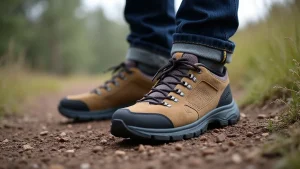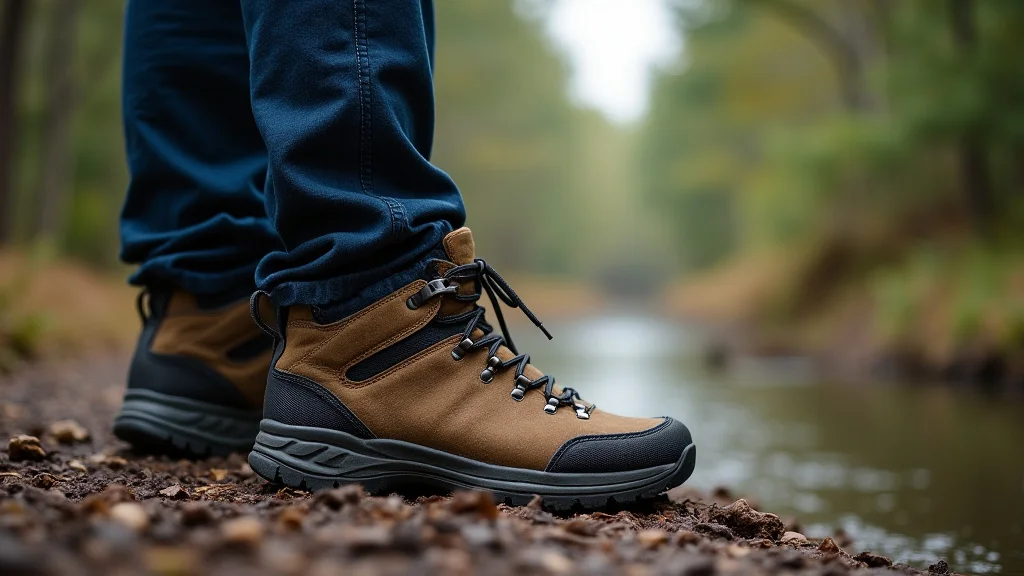
Remember that time you started a hike, the weather shifted, and your feet became soaked? The discomfort ruined the whole experience, right? Choosing the right footwear makes a world of difference. This post focuses on the essential qualities of hiking shoes for men waterproof, so you can pick the best ones for your outdoor adventures. We’ll explore important features, materials, and styles, helping you make an informed decision. You will gain a thorough knowledge of what to consider when choosing hiking shoes for men waterproof, ensuring comfort and protection on the trail. This should improve your time on page and reduce your bounce rate.
Key Takeaways
- Learn about the importance of waterproof materials and construction.
- Understand the key features to consider when shopping for hiking shoes.
- Discover the different types of hiking shoes and their specific uses.
- Get tips on how to properly fit and care for your hiking shoes.
- Find out which brands and models offer the best waterproof performance.
- Prepare to select the ideal pair to match your personal hiking preferences.
Why Waterproof Hiking Shoes Matter
Picture this: you’re several miles into a hike, enjoying the scenery, when a sudden downpour begins. Your regular shoes quickly become waterlogged, leading to cold, uncomfortable feet and potentially blisters. Waterproof hiking shoes are engineered to protect your feet from external moisture, keeping them dry and comfortable in various weather conditions. This is essential for maintaining your body temperature and preventing discomfort that can ruin your outdoor activities. They also offer enhanced protection against mud, puddles, and other wet terrain commonly encountered on hiking trails.
The Science Behind Waterproofing
Waterproof hiking shoes utilize specific technologies and materials to create a barrier against water. The key component is often a waterproof membrane, typically made from materials like Gore-Tex. This membrane is placed between the outer layers of the shoe and the inner lining. It has microscopic pores that are small enough to prevent water molecules (like raindrops) from passing through, but large enough to allow water vapor (sweat) to escape. This allows your feet to stay dry while still allowing breathability. The construction of the shoe, including sealed seams and a water-resistant outer material, further enhances the shoe’s water resistance.
- Waterproof Membranes: Gore-Tex is a popular choice, known for its effectiveness in blocking water. Other membranes offer similar protection and breathability.
- Sealed Seams: The seams of the shoe, where different parts are stitched together, are often sealed with waterproof tape or sealant.
- Water-Resistant Outer Materials: These materials like treated leather or synthetic fabrics, help repel water.
Waterproof membranes act as a shield, preventing water from getting inside your shoes. The key is their structure: tiny pores that keep water out while letting water vapor escape. This keeps your feet dry and comfortable in all kinds of weather. Some shoes use other waterproof membranes that work the same way as Gore-Tex, providing similar benefits for your hiking needs.
Sealed seams are vital because they stop water from getting in through the stitching of your shoe. This prevents leaks, keeping your feet dry during your hikes. Manufacturers utilize special tapes or sealants to make sure water stays out, ensuring your feet stay comfortable even in damp conditions.
Water-resistant outer materials, such as treated leather or specially designed synthetic fabrics, are the first line of defense against moisture. These materials help water bead up and roll off the shoe’s surface instead of soaking in. This adds to the overall waterproofing of the shoe, keeping your feet drier for longer and enhancing the shoe’s durability.
The Benefits of Waterproof Shoes
Beyond the obvious advantage of keeping your feet dry, waterproof hiking shoes offer several benefits. They help prevent blisters by reducing friction caused by wet socks. They regulate foot temperature, preventing excessive heat loss in cold conditions. This is important because wet feet cool down much faster than dry ones. Furthermore, waterproof shoes often provide superior protection against mud, snow, and debris, improving your overall hiking experience.
- Preventing Blisters: Wet feet are prone to blisters. Waterproof shoes help prevent this.
- Temperature Regulation: Dry feet stay warmer in cold weather.
- Protection from the Elements: Waterproof shoes shield your feet from more than just water; mud and debris are kept out too.
Blisters form more readily when your feet are wet. Waterproof shoes keep your feet dry, which reduces friction and the likelihood of blisters. Keeping your feet dry helps prevent these painful skin irritations from ruining your hikes.
The insulation of your socks can be compromised when they get wet, leading to quicker heat loss. Waterproof shoes maintain a dry environment for your feet. This can play a key role in regulating your body temperature during cold weather hiking.
These shoes guard your feet from water and other environmental elements. They prevent dirt, mud, and snow from entering your shoe, adding an extra layer of protection and comfort to your hike. This helps your feet stay cleaner and your shoes last longer.
Choosing the Right Hiking Shoes for Men Waterproof
Selecting the correct type of hiking shoe depends on several factors, including the terrain you’ll be hiking on, the weather conditions, and the length of your trips. Different styles offer varying levels of support, protection, and breathability. Understanding these differences will help you choose the best pair for your individual needs. Think about the conditions you’re likely to hike in, the weight you’ll be carrying, and the level of ankle support you need.
Types of Hiking Shoes
Hiking shoes come in various styles, each designed for specific purposes. From lightweight trail runners to sturdy boots, finding the perfect match will significantly improve your experience. Considering where you’ll be hiking, how much weight you’ll be carrying, and the need for ankle support will help you make the best choice.
- Hiking Shoes: Low-cut, flexible shoes suitable for day hikes and well-maintained trails.
- Hiking Boots: Provide more support and protection, suitable for rougher terrain and backpacking.
- Trail Runners: Designed for speed and agility on trails; generally not as waterproof.
These are great for short, easy hikes on established paths. They offer good support and are lighter than boots. They are easier to move in and provide good comfort for day-long adventures. For people who appreciate a lighter feel and aren’t carrying heavy loads, these are an excellent option.
Hiking boots offer much better ankle support and are suited for rugged trails and carrying heavy packs. They are generally more durable than shoes. If you will be hiking on uneven trails or carrying heavy gear, consider these sturdy options.
Trail runners are lightweight and ideal for fast-paced hiking. They often have less protection from the elements, but offer excellent breathability. These are designed for those prioritizing speed on trails, but typically provide less waterproof protection.
Key Features to Consider
Several features contribute to the overall performance and comfort of waterproof hiking shoes. From the soles to the uppers, each component plays a key role. Paying attention to these elements ensures you get shoes that are suited to your specific needs.
- Waterproof Membrane: Look for shoes with a reputable membrane, like Gore-Tex.
- Outsole: Consider the type of rubber and lug pattern for grip.
- Midsole: Provides cushioning and shock absorption.
- Upper Material: Leather or synthetic materials offer durability and water resistance.
- Fit and Sizing: Ensure the shoe fits well, with enough room for your toes.
Choosing a shoe with a quality waterproof membrane such as Gore-Tex is crucial. The membrane keeps water out while allowing sweat to escape, keeping your feet dry and comfortable. This is a primary factor in finding waterproof hiking shoes.
The outsole, usually made of rubber, determines how well your shoes grip the ground. Look for durable rubber with deep lugs for enhanced traction on various terrains. The lug pattern is essential for stability and safety, especially on wet or uneven surfaces.
The midsole is responsible for cushioning and absorbing shocks. Materials like EVA or PU offer varying degrees of comfort and support. Select a midsole material that matches your needs and preferences, such as softer cushioning for comfort or firmer cushioning for greater support.
The upper is the part of the shoe above the sole. Durable, water-resistant materials like leather or synthetic fabrics are best. The upper should provide a comfortable fit while effectively resisting water penetration.
Fit is key for your comfort. Ensure there is enough space in the toe box for your toes to move freely. Consider that your feet may swell during hiking, so selecting the right size is especially important. Try on shoes with the socks you plan to use.
Materials and Construction: Details That Matter
The materials used in your hiking shoes impact durability, weight, and, of course, waterproofing. Understanding the different elements used in construction helps you choose shoes that are right for you. Factors like water resistance, breathability, and overall protection are all determined by the quality of the materials.
Outsole Materials
The outsole is the part of the shoe that contacts the ground. The rubber compound and the lug pattern are key. The right outsole will provide the grip you need on different terrains, keeping you safe and stable. Outsole components are essential for a good experience on the trail.
- Rubber Compounds: Varying rubber blends offer different levels of grip and durability.
- Lug Pattern: Deep, aggressive lugs offer superior traction.
- Durability: The outsole must withstand abrasion from the trail.
Different rubber compounds are designed to provide varied levels of grip and durability. Consider the terrain; harder rubber lasts longer on rocky surfaces, while softer rubber provides better grip on wet surfaces. Choosing the correct compound will help you remain stable and in control on your hikes.
The pattern of the lugs, or treads, on the sole determines the shoe’s grip. Deeper, more aggressive lugs provide greater traction, especially on loose or muddy surfaces. Proper lug designs will help you maintain your footing on the trail.
Outsoles need to handle wear and tear from rough trails. The material of the outsole determines its resistance to abrasion. For frequent hikers, the durability of the outsole ensures your shoes last longer and perform better over time.
Upper Materials
The upper materials protect your foot and contribute to the shoe’s overall comfort and performance. They are vital for water resistance, breathability, and durability. The choice of upper material impacts not only the shoe’s ability to keep out moisture, but also how it breathes and how long it lasts.
- Leather: Offers great durability and water resistance but requires care.
- Synthetic Materials: Typically lighter and more breathable than leather, often with good water resistance.
- Waterproof Membranes: Gore-Tex or similar materials create a waterproof barrier.
Leather uppers provide high durability and water resistance. However, leather needs regular maintenance, such as cleaning and conditioning, to keep it in good shape. Leather can also be less breathable than other materials.
Synthetic uppers are generally lighter and more breathable than leather. They often incorporate water-resistant treatments, helping to shed water. These are easier to care for than leather, and they dry more quickly when wet.
Waterproof membranes like Gore-Tex are used within the upper. These membranes allow water vapor to escape while preventing liquid water from entering. This maintains both breathability and waterproofing.
Midsole Materials
The midsole sits between the outsole and the upper. It provides cushioning and shock absorption. The right midsole material will enhance your comfort and minimize foot fatigue on the trail. Material choice determines the overall support and cushioning you’ll feel during your hikes.
- EVA (Ethylene-vinyl acetate): Lightweight and provides good cushioning.
- PU (Polyurethane): More durable and provides greater support.
- Dual-Density Midsoles: Combine both EVA and PU for a balance of cushioning and support.
EVA is a lightweight material that offers good cushioning and shock absorption. It’s often used in hiking shoes because it’s comfortable and helps reduce the impact on your feet and joints. EVA is an affordable material that provides a good blend of comfort and performance.
PU is a more durable material than EVA, and it provides better support. PU midsoles offer more stability and are ideal for heavier hikers or those carrying heavy packs. They often last longer than EVA midsoles.
Dual-density midsoles combine EVA and PU to offer both cushioning and support. These midsoles can be designed to deliver a balance of comfort and stability. This feature combines the best of both worlds, providing a well-rounded experience.
Fit and Sizing Considerations for Hiking Shoes
Proper fit is critical for comfort and preventing injuries. The correct shoe size and fit will make your hiking trips more enjoyable. Shoes that fit well provide support and reduce the risk of blisters and other problems. Understanding how to measure your feet and choose the correct size will make all the difference.
Measuring Your Feet
Taking accurate measurements is the first step to finding a good fit. You’ll want to measure the length and width of your feet. It’s often helpful to measure your feet at the end of the day, as your feet tend to swell slightly. Consider the socks you typically wear during hikes, as they can impact the fit.
- Measure Length: From heel to the longest toe.
- Measure Width: At the widest part of your foot.
- Use a Brannock Device: For precise measurement at a shoe store.
To measure your foot’s length, place your heel against a wall and measure to the tip of your longest toe. Doing this ensures that you get the right length measurement needed to select the correct shoe size.
To measure the width of your foot, wrap a measuring tape around the widest part. This helps determine if you need wide or narrow shoes. Knowing your width helps guarantee that your shoes fit comfortably.
A Brannock device is a tool used in shoe stores to provide an accurate foot measurement. These devices give a precise measure of both length and width, which will help you find shoes that fit.
Finding the Right Size
After you have your measurements, you can determine your shoe size. Remember that sizes vary between brands, so always try on shoes before purchasing them. You should have some space between your longest toe and the end of the shoe. Wearing the right size will prevent cramped toes and ensure a better experience on the trail.
- Consider Sock Thickness: Hiking socks add bulk.
- Toe Space: Aim for about a thumb’s width of space.
- Try Before You Buy: Always try shoes on, preferably at the end of the day.
Your hiking socks will affect the fit. Consider the thickness of your hiking socks and measure your feet while wearing them. This will allow for more accurate sizing, as the socks will add extra bulk.
Make sure you have enough space in the toe box. Aim for about a thumb’s width between your longest toe and the end of the shoe. This toe room is crucial for preventing blisters and allowing your toes to move naturally.
Always try on the shoes before you buy them, and make sure to do it at the end of the day when your feet are at their largest. Walk around and see how they feel. This ensures you buy shoes that are comfortable for your foot.
Caring for Your Waterproof Hiking Shoes
Proper care will extend the life of your hiking shoes. Cleaning, waterproofing, and storing your shoes correctly will help them perform well for years to come. Routine maintenance keeps your shoes in good condition. Taking care of your shoes ensures you get the most out of your investment.
Cleaning Your Shoes
After each hike, it’s important to clean your shoes. Getting rid of dirt and debris will prevent damage. Regular cleaning will keep your shoes in good condition, and help them last longer. Using the right techniques will effectively clean your shoes without damaging the materials.
- Remove Dirt and Debris: Use a brush or cloth.
- Wash Gently: Use mild soap and water.
- Air Dry: Avoid heat sources.
Before you begin cleaning, remove any dirt, mud, and debris from your shoes. A stiff-bristled brush will help. Removing the loose particles prevents them from grinding into the materials during the cleaning process.
Wash your shoes with mild soap and water. Harsh cleaners can damage the materials. Use a gentle touch to clean the uppers and soles, preventing any damage to the shoe.
Never put your hiking shoes near a direct heat source, such as a radiator or a dryer. Allow them to air dry in a well-ventilated area. Rapid drying can damage the materials and affect the waterproof membranes.
Waterproofing Treatment
Renewing the waterproof protection helps maintain the shoe’s ability to repel water. Applying a new treatment will restore your shoe’s ability to keep moisture out. This will make your hikes more comfortable. Regularly reapplying a waterproof treatment keeps the shoes in excellent shape.
- Use a Waterproofing Spray: Follow the manufacturer’s instructions.
- Reapply Regularly: Depending on use, usually every few months.
- Proper Storage: Store in a cool, dry place.
After cleaning your shoes, apply a waterproofing spray. Be sure to follow the manufacturer’s instructions. Apply the spray to clean, dry shoes. This will provide an added layer of protection against water and dirt.
You should reapply the waterproof spray regularly, based on your hiking frequency. This will keep your shoes water-resistant, and should be reapplied every few months. More frequent applications are advisable for heavy use.
Store your hiking shoes in a cool, dry place away from direct sunlight. This helps preserve the materials. It prevents degradation and ensures they are ready for your next adventure.
Maintaining Your Shoes
Regularly inspecting your shoes for damage will extend their lifespan. Early identification and repair can help maintain your shoes. Proper maintenance will help them perform consistently, keeping you secure on the trails. You’ll be prepared for your next adventure.
- Inspect Regularly: Look for wear and tear.
- Repair Damage: Address issues promptly.
- Replace When Needed: Don’t delay.
Inspect your shoes regularly for signs of wear and tear, such as damaged seams or worn soles. Check the uppers and the soles. Early detection of damage helps prevent further issues.
When you spot any damage, repair it promptly. Repairs can prevent minor issues from becoming major problems. Prompt action will keep the shoes in optimal condition.
Do not hesitate to replace your hiking shoes when they have reached the end of their life. Continuing to hike in worn-out shoes can be unsafe. Replacing the shoes will enhance your safety and performance.
Common Myths Debunked
Myth 1: All Waterproof Shoes Are the Same
Not all waterproof shoes are built the same. While all aim to keep water out, their technologies and quality vary significantly. Different brands use various waterproof membranes, such as Gore-Tex or proprietary technologies. The construction techniques and the quality of materials also impact their performance and durability. Some waterproof shoes are better suited for specific conditions than others. Factors like breathability and the level of support differ across models, meaning a shoe designed for a casual day hike might not work well on a challenging backpacking trip.
Myth 2: Waterproof Shoes Are Always Hot
A common misconception is that waterproof shoes trap heat and cause your feet to sweat excessively. While some older waterproof shoes might have lacked breathability, modern waterproof hiking shoes are designed with breathability in mind. Most use breathable waterproof membranes, like Gore-Tex, which allow water vapor (sweat) to escape while keeping water out. This is a very important feature. This design keeps your feet dry and minimizes overheating. Breathable materials in the uppers, such as mesh panels, also enhance airflow, mitigating heat buildup and making them suitable for warmer weather hikes.
Myth 3: Waterproofing Lasts Forever
The waterproofing of hiking shoes is not permanent. Over time, the materials and treatments used to repel water will degrade. The effectiveness of the waterproof membrane and any applied coatings declines with repeated use, exposure to dirt, and general wear and tear. While quality shoes are durable, and can last for years, you will need to reapply water-repellent treatments and maintain your shoes. Regular care and maintenance, including cleaning and reapplying a waterproofing spray, will help extend the life of the shoes and the effectiveness of their waterproof properties. Keeping your shoes in shape is key.
Myth 4: Expensive Shoes Are Always the Best
The price of hiking shoes does not always determine their quality. Price can sometimes indicate high-end materials and technologies, but the best shoe is always the one that fits your feet and hiking needs. A more expensive shoe might offer premium features, such as advanced waterproofing membranes, better cushioning, or superior durability. But, for a hiker with casual needs or specific terrains, a lower-priced, well-fitting shoe can perform just as well. Researching and trying on different models is essential. Consider the materials, construction, and features. Focus on fit, comfort, and how the shoe performs during the hikes you plan to do, rather than solely the price tag.
Myth 5: Waterproof Shoes Are Only for Wet Weather
Waterproof shoes are not just for rainy days. They offer benefits in various conditions. They protect your feet from mud, puddles, and snow. Waterproof shoes are also useful in situations where your feet may encounter moisture. They can also protect you from dew in the early morning, or when crossing streams. The protective layer can keep your feet dry and comfortable during more hikes than you may expect. Their ability to shed moisture also helps to regulate foot temperature and prevent blisters. This makes them a smart choice for many different types of hiking adventures.
Frequently Asked Questions
Question: Are waterproof hiking shoes breathable?
Answer: Yes, many waterproof hiking shoes use breathable waterproof membranes like Gore-Tex to allow sweat to escape while keeping water out.
Question: How often should I reapply waterproofing treatment?
Answer: It depends on use, but every few months is typical; more frequent applications are needed for heavy usage.
Question: Can I wash waterproof hiking shoes in a washing machine?
Answer: It’s best to hand wash them with mild soap and water to avoid damaging the waterproof membrane.
Question: Do waterproof shoes require different socks?
Answer: Wearing moisture-wicking socks, like wool or synthetic blends, can enhance the performance of your waterproof shoes.
Question: How long do waterproof hiking shoes last?
Answer: The lifespan depends on use and care, but with proper maintenance, they can last for years.
Final Thoughts
Choosing the best hiking shoes for men waterproof is an important decision that can significantly impact your comfort and enjoyment on the trail. Understanding the key features, materials, and how the shoes are constructed will help you pick a pair that fits your needs. Remember to consider the terrain, weather conditions, and the length of your hikes. Prioritize proper fit and care to maximize the performance and longevity of your shoes. This will ensure your feet stay dry, comfortable, and protected. So, lace up your new pair, hit the trails, and explore the outdoors with confidence, knowing you’ve made the right choice for your next adventure.