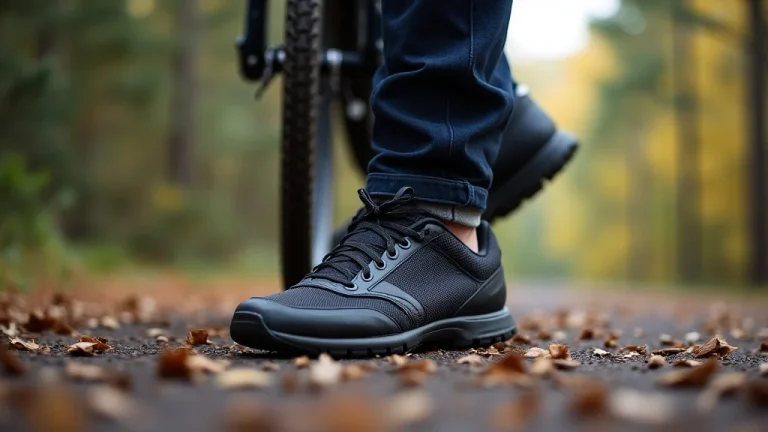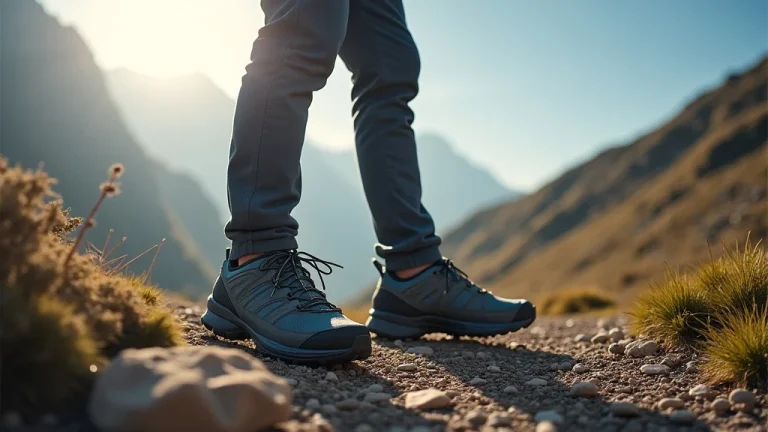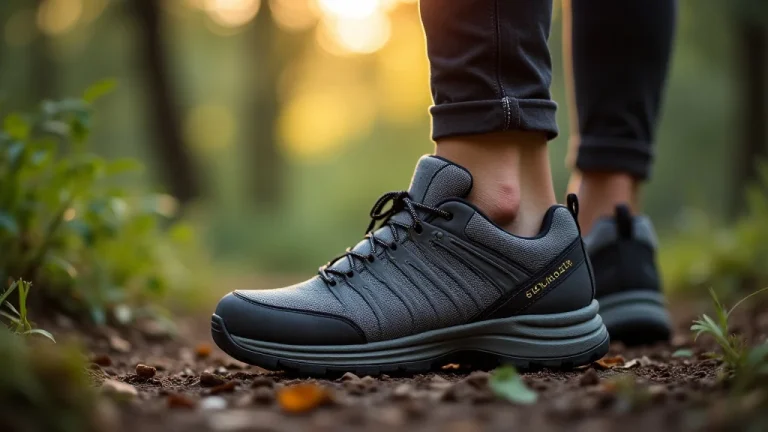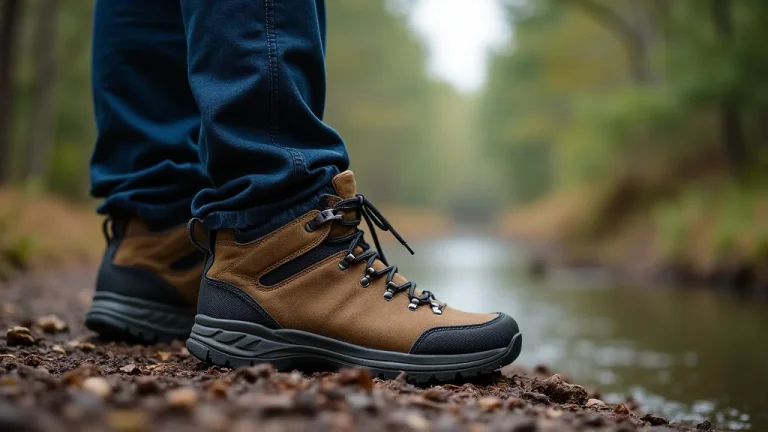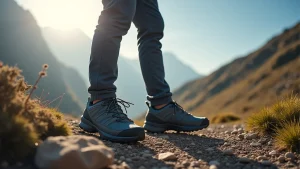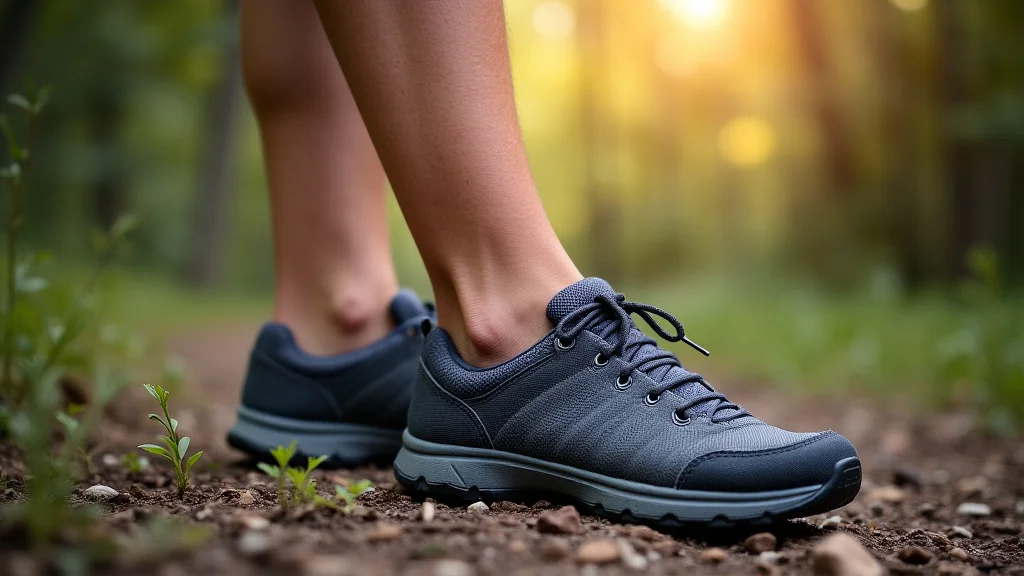
I remember my first backpacking trip. After a long day on the trail, my heels felt like they were on fire. I quickly learned about plantar fasciitis, a common issue for hikers, and the importance of supportive footwear. Choosing the right hiking shoes can make a huge difference in comfort and the enjoyment of your hikes. Finding the best hiking shoes for plantar fasciitis women is about more than just the brand; it’s about the fit, support, and features that cater to your specific needs. This article will explore everything you need to know, allowing you to hit the trails pain-free and ready for adventure.
Key Takeaways
- Discover the key features to look for in hiking shoes if you have plantar fasciitis.
- Learn about the importance of proper fit and how to measure your feet correctly.
- Explore different types of hiking shoes and which ones are best suited for various trails.
- Find out which shoe brands and models are recommended for women with plantar fasciitis.
- Understand how to care for your hiking shoes to extend their lifespan.
- Get practical tips for preventing and managing plantar fasciitis while hiking.
Choosing the Best Hiking Shoes for Plantar Fasciitis
Selecting the ideal hiking footwear requires careful consideration of several factors. The wrong shoes can exacerbate existing conditions like plantar fasciitis, turning a pleasant hike into an ordeal. The best hiking shoes provide ample support, cushioning, and stability. This ensures that your foot remains properly aligned. Prioritizing these features will help protect your feet on the trails. It is essential to focus on shoes with built-in features that specifically address plantar fasciitis symptoms. This includes arch support and shock absorption.
Support and Arch Support: The Foundation of Comfort
The foundation of any good hiking shoe for plantar fasciitis is adequate support, particularly in the arch area. Plantar fasciitis involves inflammation of the plantar fascia, a thick band of tissue on the bottom of your foot. Shoes with insufficient arch support can cause this tissue to stretch and become irritated. Arch support is vital to prevent overpronation. Overpronation occurs when your foot rolls inward excessively, flattening your arch. This puts extra strain on the plantar fascia. Look for shoes that feature a contoured footbed or insole specifically designed to cradle your arch. This provides the necessary support to keep your foot in proper alignment. It helps distribute weight evenly and reduces stress on the plantar fascia.
- High Arch Support: Shoes with high arch support are ideal. They help to maintain the natural arch of the foot. This prevents overstretching of the plantar fascia. These features are often found in insoles or shoes constructed with built-in arch supports.
- Contoured Footbeds: Contoured footbeds are designed to mold to the unique shape of your foot. They offer a custom fit that delivers exceptional support. This feature aligns your foot correctly within the shoe. It ensures that your weight is distributed evenly across the sole.
- Removable Insoles: Shoes with removable insoles give you the option to customize the support. You can
Replacing the original insole with a custom or specialty insole is an easy way to significantly improve comfort. Orthotics are often made by a podiatrist. They are molded to your exact foot shape. Aftermarket insoles can provide a significant increase in support and cushioning compared to standard insoles. It is easy to find aftermarket insoles specifically designed for plantar fasciitis. They usually feature an enhanced arch support and shock-absorbing materials. Consider the thickness and the materials when choosing an insole. It should provide adequate cushioning without making the shoe too tight.
High arch support does more than just alleviate symptoms; it prevents them. By providing a firm base for your foot, these shoes help minimize the strain on your plantar fascia. The arch support should conform to the shape of your foot, distributing weight and pressure evenly across the footbed. This helps to reduce the impact of each step and prevents the arch from collapsing. This level of support is essential for longer hikes or rough terrain.
Contoured footbeds often include a built-in arch support that adds to overall comfort. They can enhance the fit and feel of the shoe, making it feel less like wearing a shoe and more like an extension of your own foot. This increased contact area can also improve balance and stability. This minimizes the risk of twisting an ankle or suffering a fall. Select a shoe with a footbed that matches your foot type and provides enough support without causing discomfort.
Cushioning and Shock Absorption: Protecting Your Feet
Cushioning and shock absorption are essential features when selecting hiking shoes for plantar fasciitis. Hiking often involves uneven terrain and repeated impact, which can exacerbate foot pain. Properly cushioned shoes absorb the impact of each step. This reduces stress on your plantar fascia and other parts of your feet. These features are particularly important for people with plantar fasciitis. They reduce pain and help prevent further injury. The right cushioning materials can provide a comfortable hiking experience.
- Midsole Materials: The midsole is the area of the shoe between the outsole and the insole. It is primarily responsible for cushioning and shock absorption. Common midsole materials include EVA (Ethylene-vinyl acetate) and PU (Polyurethane).
- Heel Cushioning: Look for shoes with extra cushioning in the heel area. This is where the plantar fascia connects to the heel bone. This is where the impact is most intense. Gel or air-cushioned heels can provide excellent shock absorption.
- Outsole Design: The outsole is the bottom of the shoe. It should offer good traction and stability. Choose outsoles that are made from durable materials like rubber.
EVA is a lightweight and flexible material that provides good cushioning. It is often found in more affordable hiking shoes. PU is more durable and provides greater shock absorption, making it suitable for heavier hikers or rougher trails. Some shoes combine EVA and PU to balance cushioning and durability. Consider the type of terrain you will be hiking on when selecting the material. If you hike on rocky trails, a more durable material like PU would be suitable.
Heel cushioning can reduce the strain on the plantar fascia with each step. It is especially useful on downhill sections of a hike. The extra cushioning helps to absorb the impact. This protects the heel and minimizes pain. Consider the thickness and density of the cushioning. A thicker cushion will absorb more impact. Always ensure that the cushioning material is durable enough to withstand regular use.
The outsole design can also contribute to shock absorption. Shoes with lugs or patterns help to absorb impact and provide stability. A well-designed outsole can reduce the impact of walking on uneven surfaces. This helps to protect your feet and provide a more comfortable hiking experience. A durable outsole also offers a longer lifespan. It can withstand the demands of hiking over rough terrain.
Fit and Sizing: The Perfect Match
The right fit is critical to the comfort and effectiveness of your hiking shoes, especially if you have plantar fasciitis. Shoes that are too tight can compress your feet and exacerbate pain. Shoes that are too loose can allow your feet to slide around. This can cause blisters and increased stress on the plantar fascia. The ideal hiking shoe should provide enough space for your toes to move freely. It should also offer a snug fit around your heel and midfoot. These factors are crucial for overall comfort and support. Consider the shape of your feet and try on shoes at the end of the day when your feet are at their largest.
- Measuring Your Feet: Always measure your feet before buying hiking shoes. Many people have different-sized feet. Measure both feet and use the larger foot as your guide. The best time to measure your feet is at the end of the day. This is when your feet tend to be at their largest.
- Toe Box Space: Ensure the shoes have a spacious toe box. This allows your toes to splay out naturally. There should be about a thumb’s width of space between the end of your longest toe and the end of the shoe.
- Heel Hold: The shoe should have a secure heel hold. Your heel should not slip or slide up and down when you walk. A snug heel hold helps to maintain stability and control while hiking.
You can use a ruler or a foot-measuring device. Stand with your weight evenly distributed. Trace the outline of your foot on a piece of paper. Then, measure the length from the heel to the tip of the longest toe. The width measurement is just as important. Measure across the widest part of your foot. This will help you select a shoe with the proper fit and support.
A spacious toe box is vital for several reasons. It prevents your toes from being cramped or squeezed. This can reduce the chance of blisters and prevent stress on your feet. When your toes have enough room to move, it also helps with balance and stability on the trail. During hiking, your feet may swell. So, having extra space in the toe box can prevent discomfort.
A secure heel hold is crucial to prevent blisters and reduce strain on your plantar fascia. A good heel hold prevents the foot from sliding within the shoe. It ensures that your foot remains in the correct position. The heel counter should be firm. The top of the shoe should cup your heel comfortably. If the heel feels loose, consider trying a different size or a shoe with a different heel design.
Types of Hiking Shoes for Women With Plantar Fasciitis
There are different types of hiking shoes, each designed for specific trails and conditions. Understanding the differences between these types helps you choose the most appropriate footwear for your needs. The right type of shoe not only enhances your comfort but also provides the support necessary to manage and prevent plantar fasciitis symptoms. Consider factors like terrain, distance, and weather conditions when choosing hiking footwear.
Trail Runners
Trail runners are lightweight and flexible, suitable for well-maintained trails and running. They offer a balance of comfort and agility. They generally have good cushioning, but might lack the ankle support of a hiking boot. Trail runners are a great choice if you prefer a less bulky shoe and plan to move quickly on the trail. Trail runners are known for their breathability, which is important for keeping your feet cool. They can be suitable if you have plantar fasciitis, provided they offer adequate arch support and cushioning.
- Advantages: Light weight, good breathability, and flexibility. This makes them ideal for fast-paced hiking and running. They provide excellent ground feel, allowing for a more natural stride.
- Disadvantages: Limited ankle support, less durable than hiking boots. They might not be ideal for rough or uneven terrain. Trail runners may offer less protection from rocks and debris.
- Best Use: Well-maintained trails, fastpacking, day hikes. They’re great for hikers who prioritize speed and agility.
The lightweight design of trail runners reduces foot fatigue. This is especially helpful during longer hikes. Their breathability helps to prevent moisture buildup. This reduces the risk of blisters and other foot issues. They are very adaptable to different types of terrain, making them a versatile choice. For those with plantar fasciitis, the cushioning in trail runners can help with shock absorption.
The lack of ankle support in trail runners can be a drawback for people with ankle instability or those hiking on very technical trails. The lighter materials may not hold up well to prolonged use on rugged terrain. They may not provide enough protection from sharp rocks or roots. For those with plantar fasciitis, make sure to choose trail runners that offer specific arch support.
Trail runners are most suitable for hikers who prefer to move quickly. Well-maintained trails minimize the risk of injury. Trail runners offer a comfortable alternative for people who do not need the extra support of hiking boots. Consider choosing trail runners when you plan to cover long distances quickly.
Hiking Shoes
Hiking shoes offer a good balance of support, durability, and versatility. They are generally more supportive than trail runners, providing more protection and stability on various trails. These shoes are suitable for day hikes and shorter backpacking trips. Hiking shoes often feature a stiffer sole and better ankle support than trail runners. This helps protect your feet from the stresses of uneven terrain.
- Advantages: Good support, durable, versatile. They are suitable for various terrains. The design of these shoes provides good ankle support.
- Disadvantages: Can be less lightweight than trail runners. They may require some breaking in before they become comfortable. They do not offer the same protection as hiking boots.
- Best Use: Day hikes, shorter backpacking trips, varied terrain. They’re suitable for hikers who need good support and protection.
Hiking shoes strike a balance between weight and support. This makes them a great option for people with plantar fasciitis. Their durability makes them suitable for regular use. The support helps to prevent overpronation. This feature is useful for reducing strain on the plantar fascia. These features make hiking shoes a reliable choice for different types of outdoor activities.
Hiking shoes can be heavier than trail runners, which may lead to foot fatigue. Breaking in is important for these shoes, but they offer greater stability and protection than trail runners. They are not as well-suited for extremely rough terrain or heavy backpacking trips. However, the benefits they provide, especially for people with plantar fasciitis, are very important.
Hiking shoes are best used for a broad range of hiking activities. Their support and versatility make them suitable for almost any trail. If you have plantar fasciitis, a hiking shoe can deliver more support and protection than a trail runner. Hiking shoes are a good choice if you regularly hike on trails of different types.
Hiking Boots
Hiking boots offer the most support, protection, and durability. They are ideal for rough terrain, long backpacking trips, and demanding conditions. They typically feature high-cut ankles. This helps to protect against ankle injuries. Hiking boots often have stiffer soles, which provide excellent stability on rocky or uneven surfaces. The design of hiking boots offers protection, ankle support, and ruggedness. This makes them the best choice for difficult hiking.
- Advantages: Maximum support, durability, and protection. Ideal for rough terrain and backpacking. They provide superior ankle support.
- Disadvantages: Heavier and less flexible than trail runners or hiking shoes. They might require more breaking-in time. They can be less breathable, which may cause your feet to sweat more.
- Best Use: Rough terrain, backpacking trips, and demanding conditions. Ideal for hikers who need maximum support and protection.
Hiking boots offer the most comprehensive support, providing stability and reducing the risk of injuries on challenging trails. They are built to withstand wear and tear. They are the best choice for long trips. Their ankle support is essential for protecting the ankles, which is particularly useful for people with weak ankles. They’re also effective at preventing plantar fasciitis.
The extra weight and stiffness can be less comfortable for casual hikes or well-maintained trails. Their less-breathable design can lead to sweaty feet. Hiking boots take longer to break in. This makes them less suitable for those who are new to hiking. However, the high level of support and protection that these boots provide outweighs these disadvantages on challenging hikes.
Hiking boots are most suited for hikes where there’s a risk of injury. Their features are valuable for trips that require protection. Consider hiking boots if you plan to carry a heavy pack or hike on uneven ground. Their support and durability are invaluable for managing plantar fasciitis while hiking in difficult areas.
Top Shoe Brands and Models for Women With Plantar Fasciitis
Several shoe brands and specific models are well-regarded for their support and features that cater to people with plantar fasciitis. These brands are often known for their expertise in orthotic design. You will also find various models specifically made to address foot pain. The models listed offer the features discussed above. When choosing the brand, you will want to also consider your foot’s unique needs.
- Hoka: Known for their oversized midsoles, Hoka shoes provide excellent cushioning and shock absorption.
- Brooks: Brooks offers various supportive shoes, including models with built-in arch support and good cushioning.
- New Balance: New Balance offers a variety of shoes with different widths. They also have good arch support and stability features.
- Salomon: Salomon makes durable hiking shoes and boots. They also include great support and traction, which is helpful for various terrains.
Hoka shoes are designed to provide maximum cushioning, which helps to reduce the impact on the feet. The thick midsoles help absorb shock, which can alleviate plantar fasciitis symptoms. Many models feature a rocker design. This promotes a natural rolling motion, reducing strain on the plantar fascia. These features make Hoka a great option for people who prioritize comfort and cushioning.
Brooks is known for its dedication to comfort and support. Many models feature built-in arch support. This helps to maintain proper foot alignment. The cushioning absorbs shock. It provides a comfortable experience on different trails. Consider models like the Cascadia or Caldera for hiking shoes. The brands’ dedication to comfort makes it an ideal option for anyone.
New Balance offers a wide variety of shoes, ensuring a great fit for all foot types. Their focus on stability and support makes them a great option for women with plantar fasciitis. Their selection of different widths is helpful for creating a more comfortable and supportive fit. The insoles are often replaceable, so you can add your orthotics or high-quality support.
Salomon is known for its durability and grip. They are designed for a variety of hiking conditions. Many models provide excellent arch support and stability. They feature rugged outsoles for improved traction. They will give you the confidence to hike on different trails. They provide a balance of comfort and support, which is very helpful when you’re managing plantar fasciitis.
Caring for Your Hiking Shoes
Taking care of your hiking shoes will extend their lifespan and maintain their support. Proper care involves regular cleaning, storage, and maintenance. These steps not only ensure that your shoes will last longer but also help maintain their ability to support your feet. Regular care and maintenance will improve your hiking experience.
- Cleaning: Clean your shoes after each hike. Remove any dirt or debris. Use a brush and mild soap to wash the uppers and soles.
- Drying: Always dry your shoes at room temperature. Avoid direct sunlight or heat, which can damage the materials. Remove the insoles to speed up the drying process.
- Storage: Store your shoes in a cool, dry place. Avoid storing them in direct sunlight or extreme temperatures. Consider using shoe trees to help maintain their shape.
Cleaning your shoes helps to prevent the buildup of dirt and grime, which can wear down the materials. Removing debris prevents the shoes from becoming damaged. Use a soft brush and mild soap, like dish soap, to clean the uppers and soles. Rinse thoroughly and allow them to air dry away from direct heat. This helps keep the shoes fresh.
Direct heat can cause materials to shrink, crack, or warp. Allow your shoes to air dry at room temperature. Remove the insoles to speed up the drying process. Place them in a well-ventilated area, away from direct sunlight or heat sources. This will help maintain the shape and structure of your shoes, extending their useful life.
Proper storage is important to prevent damage and maintain the structural integrity of your shoes. The best storage place is a cool, dry area away from sunlight or extreme temperatures. Use shoe trees to help maintain their shape. This will help them retain their support. This protects the support, structure, and cushioning, ensuring they are ready for your next hike.
Preventing and Managing Plantar Fasciitis While Hiking
Preventing and managing plantar fasciitis while hiking involves a combination of strategies. You can choose the right footwear, and make sure to take other measures. Including stretching, proper foot care, and adjusting your hiking habits. Taking these steps can minimize pain and discomfort and help you enjoy your hikes. These actions will reduce your risk of injury and help you manage symptoms.
- Stretching: Regularly stretch your calves and plantar fascia before, during, and after hikes. Simple exercises can make a huge difference.
- Proper Foot Care: Wear socks made of moisture-wicking materials to prevent blisters. Trim your toenails regularly. Always check your feet for any signs of blisters or irritation.
- Gradual Progression: Gradually increase the distance and intensity of your hikes to avoid overstressing your feet. Avoid doing too much, too soon.
Stretching helps to prevent the plantar fascia from becoming tight and inflamed. Before a hike, do exercises like toe curls or calf stretches. During a hike, take short breaks to stretch your feet and ankles. After your hike, stretching can help to soothe your feet. Regular stretching will help minimize pain and prevent further injuries.
Moisture-wicking socks help keep your feet dry and reduce the risk of blisters. Trimming your toenails can help prevent discomfort. Regularly check your feet for signs of irritation or blisters. Address any problems immediately. Proper foot care helps to maintain foot health and helps prevent issues.
Gradual progression helps your feet adapt to the demands of hiking. Start with shorter hikes and gradually increase the distance and difficulty. This gives your feet time to adapt. Avoid overdoing it. Doing too much too soon can lead to plantar fasciitis flares. Increase the difficulty, so you can increase your foot’s resilience.
Real-Life Examples
- Sarah’s Story: Sarah, a dedicated hiker, was plagued by plantar fasciitis. She found relief after switching to Hoka hiking shoes. The shoe’s cushioning and support helped her to continue hiking comfortably. Her experience shows the benefits of choosing the right footwear.
- Emily’s Experience: Emily initially ignored foot pain. After experiencing severe pain, she sought advice. She visited a podiatrist and bought New Balance hiking shoes with custom orthotics. This combined approach resolved her pain.
Sarah’s experience highlights the importance of choosing footwear. The switch to Hoka shoes enabled her to continue enjoying her passion for hiking. Her example shows the impact that can result from investing in shoes specifically designed to address plantar fasciitis.
Emily’s case shows that effective pain management includes a holistic approach. It is also important to seek the advice of a healthcare expert. Emily used proper footwear and medical care to overcome her challenges. This combined approach restored her ability to enjoy hiking.
Sample Scenarios
- Scenario 1: A woman with a history of plantar fasciitis plans a day hike on a moderate trail. She should choose hiking shoes with arch support, good cushioning, and a secure fit.
- Scenario 2: A woman is preparing for a multi-day backpacking trip. She has experienced plantar fasciitis in the past. She should choose hiking boots with maximum support and ankle protection.
Choosing proper footwear is important for this hike. A shoe with good arch support and cushioning will help with shock absorption. This will support the feet and reduce strain on the plantar fascia. The focus on the secure fit will prevent slippage and blisters. These choices can significantly improve comfort and reduce the risk of pain.
Hiking boots will provide the necessary support and protection for a multi-day backpacking trip. They are designed to withstand the wear and tear of rough terrain. Their superior ankle support is vital for safety, particularly with heavy loads. Choosing proper footwear will greatly reduce the risk of injury and enhance overall enjoyment.
Common Myths Debunked
Myth 1: Plantar fasciitis is only caused by overuse.
While overuse is a common cause, plantar fasciitis can also result from improper footwear, flat feet, high arches, or even sudden changes in activity levels. Many factors can contribute to the condition.
Myth 2: You must stop hiking completely to heal.
Rest is important, but complete cessation of activity isn’t always necessary. With proper support, footwear, and management, many people can continue hiking. It is essential to avoid actions that cause significant pain.
Myth 3: Stretching is not effective.
Stretching can be incredibly helpful. Regular stretching of the plantar fascia and calves is important for preventing and treating plantar fasciitis. This will help to reduce tightness and inflammation.
Myth 4: Expensive shoes are always the best solution.
Price does not guarantee the best outcome. The optimal shoes are those that fit well and offer the right support for your foot type and hiking style. Focus on the features and fit, not the brand.
Myth 5: Plantar fasciitis always requires surgery.
Surgery is rare. Conservative treatments like stretching, rest, physical therapy, and appropriate footwear often resolve plantar fasciitis. Many people find success without surgery. It is a last resort.
Frequently Asked Questions
Question: What is plantar fasciitis?
Answer: Plantar fasciitis is inflammation of the plantar fascia, a thick band of tissue on the bottom of the foot that connects your heel to your toes.
Question: What are the main symptoms of plantar fasciitis?
Answer: The most common symptom is heel pain, especially in the morning or after periods of rest. The pain may lessen during activity but return after periods of rest.
Question: Can I wear my hiking shoes for everyday use if I have plantar fasciitis?
Answer: Yes, if your hiking shoes provide good support and cushioning, they can be worn for everyday use. Just ensure they fit well and offer arch support.
Question: How often should I replace my hiking shoes?
Answer: Replace your hiking shoes every 300 to 500 miles, or when the cushioning and support begin to break down, even if the uppers still look good.
Question: Should I consult a doctor if I have plantar fasciitis?
Answer: It is important to see a doctor or podiatrist to get a diagnosis, and to discuss a treatment plan. They can provide advice specific to your condition.
Final Thoughts
Finding the best hiking shoes for plantar fasciitis women is about more than just buying a new pair of shoes. It’s about prioritizing your foot health and making informed decisions to ensure your comfort on the trail. By focusing on proper support, cushioning, and fit, you can find shoes that help manage your symptoms and allow you to fully enjoy your hikes. Remember to measure your feet, consider the terrain, and choose shoes that meet your individual needs. Combine this with regular stretching, proper foot care, and a gradual approach to your hikes. By taking these steps, you can reduce the pain associated with plantar fasciitis and maintain a healthy, active lifestyle. Now, go explore, and enjoy the adventure!