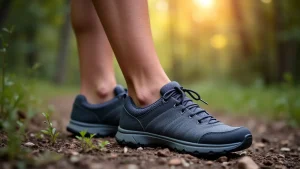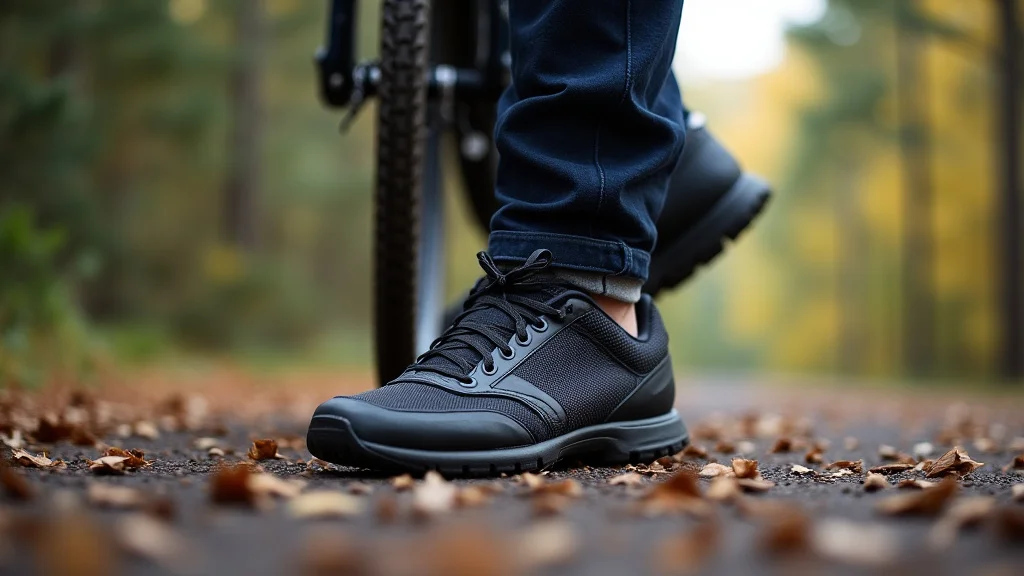
Picture this: you’re ready for a weekend ride, but your feet ache within minutes. That’s a common struggle for cyclists who don’t have the right footwear. Choosing the correct biking shoes men can make a huge difference in your comfort, performance, and overall enjoyment of cycling. This guide will help you select the ideal pair, covering everything from cleat compatibility to materials, ensuring you’re well-equipped to tackle any terrain. You’ll gain valuable insights into choosing the right shoes, improving your ride experience, and avoiding common pitfalls. By the end, you’ll feel confident making an informed decision, leading to longer, more comfortable rides, and a greatly reduced chance of foot pain. We’ll explore the essential features and considerations to improve your cycling game, which will increase time on page and reduce your bounce rate.
Key Takeaways
- Learn about different types of biking shoes men and their specific uses.
- Discover the importance of cleat compatibility and how to choose the right cleats.
- Understand the features that impact comfort, such as fit and ventilation.
- Explore the materials used in biking shoes men and their impact on performance.
- Get practical advice on how to select the correct size and fit.
- Find out how to maintain and care for your biking shoes men to extend their life.
Choosing the Right Biking Shoes for Men
Selecting the correct biking shoes can feel a bit overwhelming, with so many styles and features. Whether you’re a casual rider or a serious enthusiast, understanding the essential elements will help you make a wise decision. From the type of riding you do to your fit preferences, each element plays a part in maximizing your riding experience. This section helps you explore the diverse options available and make an informed decision to find the perfect fit for your cycling style.
Types of Biking Shoes
Biking shoes men are crafted for different riding styles, each with its unique design features. Selecting the correct type is the first step toward achieving the best performance and comfort. For example, road cycling shoes emphasize stiffness and efficiency for speed, while mountain bike shoes offer more grip and protection for off-road adventures. Understanding the differences among these styles ensures you pick the best fit for your needs and enjoy your rides more fully. There are also hybrid options, which give you a balance of both styles for general cycling.
- Road Cycling Shoes: Designed for speed and efficiency on paved surfaces, these shoes prioritize power transfer and aerodynamics.
- Mountain Bike Shoes: Built for off-road use, mountain bike shoes offer grip, durability, and protection.
- Hybrid/Commuter Shoes: Aiming at versatility, hybrid shoes are a middle-ground for different types of cycling.
Road cycling shoes are constructed with stiff soles, often made from carbon fiber, which maximizes power transfer to the pedals. This stiffness enables efficient pedaling, allowing riders to maintain higher speeds and reduce energy loss. Aerodynamic designs minimize wind resistance, further enhancing speed. Road shoes commonly feature a three-bolt cleat system, offering a secure connection to road bike pedals. This secure attachment improves the rider’s efficiency and responsiveness.
These shoes generally feature a more flexible sole compared to road shoes, which allows for better walking and comfort on trails. They have a two-bolt cleat system, which makes them easier to walk in than road shoes. The outsoles often have aggressive tread patterns, giving riders secure footing on varied terrains. The upper part of the shoe is commonly reinforced to withstand impacts and provide stability. Mountain bike shoes also incorporate features like toe protection and water resistance, providing additional safety on the trails.
These shoes combine features of road and mountain bike shoes, making them suitable for commuting, recreational riding, and light trail use. They typically use a recessed cleat design, making them easier to walk in compared to road or mountain bike shoes. Hybrid shoes offer a balance of comfort, performance, and practicality, with options ranging from casual designs to performance-oriented models. They are made for riders who value a multi-purpose shoe, whether riding to work or exploring paved paths.
Cleat Compatibility: A Crucial Element
Cleat compatibility is key when selecting biking shoes men. Cleats attach to the soles of the shoes and connect to the pedals, linking your foot to the bike for efficient power transfer. Choosing the right cleat system can greatly influence your cycling experience, affecting your pedaling efficiency, comfort, and the overall feel of your ride. Understanding the different systems and how they suit your riding style is an important factor in maximizing your cycling performance. Matching your shoes to the right pedals is crucial for a smooth and effective ride.
- Road Bike Cleats: Commonly use a three-bolt system.
- Mountain Bike Cleats: Use a two-bolt system.
- Hybrid/Commuter Cleats: Recessed designs for walkability.
Road bike cleats have a three-bolt design, often used with specialized road bike pedals. These cleats are larger and designed to offer a secure connection to the pedal, offering a stiff and efficient platform for pedaling. This arrangement allows for high power transfer and allows riders to generate maximum power with each pedal stroke. However, these cleats can make walking difficult, as they protrude from the shoe sole. They are ideal for road cyclists who prioritize efficiency and speed.
Mountain bike cleats use a two-bolt system, which is compatible with mountain bike pedals. These cleats are smaller and recessed within the sole of the shoe, making them easier to walk in than road cleats. The two-bolt design allows for a greater range of motion, which is helpful for off-road riding where riders need to quickly clip in and out. They are very adaptable and give riders comfort and practicality. Mountain bike cleats are a better choice for riders who need to dismount frequently or do any hiking.
Hybrid and commuter shoes commonly feature recessed cleat designs, which combine the benefits of both road and mountain bike cleats. The cleats are set into the sole of the shoe, making walking easier and more natural. This feature is particularly useful for cyclists who commute or use their bikes for everyday tasks, as it increases walkability when dismounting. Hybrid cleats offer a more adaptable and practical option for general use, giving a balance of performance and comfort. This is a very popular option for general use.
The Perfect Fit: Sizing and Fit Guide
Proper fit is vital for both comfort and performance when you’re selecting biking shoes men. Poorly fitting shoes can result in discomfort, blisters, and reduced power transfer. Using the right size and fit can make a big difference in the quality of your cycling experience. Understanding how to measure your feet and identify the key features of shoe design that affect the fit ensures you find the perfect match for your feet and riding style. It can be a little different than regular shoes, so take your time.
- Measure Your Feet: Get accurate measurements.
- Consider Shoe Width: Proper width prevents discomfort.
- Try Them On: Check for proper fit.
Begin by measuring both feet at the end of the day, when they are most swollen. Place your foot on a piece of paper, and trace its outline with a pen. Use a ruler to measure the length and width of your foot. It’s often helpful to measure both feet, as most people’s feet are slightly different sizes. Make sure to consult the size charts of the shoe brand you’re considering, as sizes may vary. Using precise measurements will help you make a good choice to guarantee the most comfort and performance.
Pay attention to the width of the shoe, as it can be as essential as the length in terms of fit. If your feet are particularly wide or narrow, look for shoes that provide options for different widths. Wide feet may require shoes marked as “wide” or “extra wide,” while those with narrow feet can consider shoes with narrow or adjustable features. Select shoes that provide enough space in the toe box, allowing your toes to move freely without rubbing against the shoe’s sides. Proper width ensures that your feet feel comfortable, preventing pressure points and soreness during long rides.
When trying on shoes, make sure to wear the socks you would use for cycling. Make sure to stand and move around, simulating the motions of pedaling. Your toes should have some space, but your heel should be firmly seated. The shoe should fit snugly without restricting blood flow or creating pressure points. Look out for any spots where the shoe rubs or puts pressure on your feet. For the best result, it is best to try them on at the end of the day when your feet are at their largest. A good fit will make a difference in your riding experience.
Materials and Features for Performance
The materials and features of biking shoes men have a huge effect on their performance and comfort. Knowing the materials used in the construction of the shoes, along with specific features, will make your rides more enjoyable and efficient. From the stiffness of the sole to the ventilation, each design element helps to improve your cycling performance. This section explores the construction and features, giving you the information you need to make the best choice and improve your cycling.
Sole Materials and Stiffness
The sole material and its stiffness are essential to how your biking shoes men work. The stiffness of the sole directly impacts the efficiency of power transfer, which is how effectively your energy is translated into movement of the bike. Choosing the best sole material and stiffness for your needs is important for a smooth and efficient ride. Different materials, such as carbon fiber and nylon, offer varying levels of stiffness and performance, each suitable for different riding styles and cyclist preferences. The sole is where you can find some of the most dramatic differences.
- Carbon Fiber Soles: Prioritize stiffness and power transfer.
- Nylon Soles: Balancing stiffness and cost.
- Other Materials: Options for specific needs.
Carbon fiber soles are a top choice for road cycling shoes, as they provide high stiffness and optimal power transfer. Carbon fiber is very light and stiff, resulting in minimal energy loss during pedaling. This feature makes it great for competitive riding. A rigid sole allows the cyclist to generate greater power with each pedal stroke. While carbon fiber soles offer great performance, they are often more expensive than other materials. Consider the stiffness level and features to make the best decision for your needs.
Nylon soles offer a balance of stiffness and cost-effectiveness, making them a popular option for various cycling styles. Nylon is less stiff than carbon fiber, which provides more flex, making it easier to walk in. This feature makes nylon soles suitable for recreational riding and mountain biking, where walkability is more important. Nylon soles are often used in entry-level and mid-range shoes, giving good performance at a more accessible price. Selecting the right nylon-soled shoe should include features like the intended use and comfort.
Other materials, like reinforced plastic or composite materials, are often used in shoe soles for various purposes. These materials may offer a blend of flexibility, durability, and cost-effectiveness. Reinforced plastic soles are commonly found in entry-level cycling shoes. Composite materials combine different materials to achieve a balance of properties. These materials offer good performance at a lower price point. When choosing the right sole material, think about your riding style, budget, and other essential features to meet your needs.
Upper Materials and Ventilation
The upper of biking shoes men is the part that covers your foot. The materials and design of the upper influence comfort, ventilation, and durability. The upper materials influence factors such as airflow and the overall feel of the shoe. Proper ventilation helps regulate temperature and prevents your feet from getting too hot during rides. Understanding the different materials and features allows you to make an informed choice. It will improve comfort and overall performance while riding.
- Synthetic Leather: Durability and weather resistance.
- Mesh Materials: Enhancing breathability.
- Other Features: Additional considerations.
Synthetic leather is a common material used in the uppers of biking shoes. Synthetic leather offers good durability, weather resistance, and is usually easy to maintain. It is a good choice for those who frequently ride in varied conditions. Synthetic leather often imitates the look and feel of genuine leather. These shoes are often more cost-effective than natural leather alternatives. The easy-to-clean qualities also help in maintaining the cleanliness and lifespan of the shoes. For cyclists who value long-lasting and practical shoes, synthetic leather is an excellent option.
Mesh materials are often integrated into the uppers of biking shoes men to enhance breathability and ventilation. The mesh design allows for air circulation, preventing overheating and keeping your feet cool and dry. This feature is especially valuable during warm weather or intense workouts. Mesh panels are strategically placed in areas prone to heat build-up. Mesh materials can also be light and adaptable, improving overall comfort. For riders looking for enhanced airflow, mesh uppers are an excellent feature. This can improve comfort and performance, making your ride better.
The uppers of biking shoes men may include many additional features, depending on the riding style. Reinforced areas in key stress zones provide extra durability and protection. Adjustable closures, like Velcro straps or dials, ensure a precise fit. Reflective elements provide increased visibility, adding an extra layer of safety. Waterproof or water-resistant coatings on the uppers are helpful for riding in wet conditions. The best features depend on your specific needs, so consider what elements will enhance comfort and protection for your rides.
Caring for Your Biking Shoes
Proper care and maintenance of your biking shoes men will extend their life and improve their performance. Cleaning and storing your shoes properly will keep them in top condition and ensure they’re ready for every ride. Adopting simple maintenance routines is a wise way to protect your investment and preserve the quality of your cycling gear. Following these guidelines helps maintain your shoes and keeps you enjoying your rides for a long time.
Cleaning and Maintenance
Regular cleaning is necessary to protect and keep your biking shoes men in good condition. The accumulation of dirt, mud, and sweat can damage the materials and reduce their performance. Proper cleaning keeps your shoes looking great and can increase their lifespan. A cleaning routine keeps your cycling shoes in great shape. This helps maintain performance and allows you to enjoy every ride.
- Washing Your Shoes: Keep them clean.
- Addressing Odors: Prevent unwanted smells.
- Maintaining Cleats: Check and maintain the cleats.
After each ride, it is a good idea to clean your shoes. Remove loose dirt and debris using a brush or cloth. For washing, use mild soap and water. Avoid using harsh chemicals or solvents that could damage the materials. For the insoles, use a removable insole, which can be washed separately. Air dry your shoes, away from direct sunlight or heat, to prevent damage. With each ride, clean them and you will have shoes that are fresh and ready for more.
To eliminate odors, wash your insoles frequently. After each ride, remove the insoles and allow your shoes to dry properly. Sprinkle baking soda or use shoe deodorizers inside the shoes overnight. These methods help to absorb moisture and combat smells. Airing out your shoes after each use prevents moisture build-up and reduces odor. Regular upkeep prevents any unpleasant odors and helps you enjoy your rides more fully.
Regularly inspect the cleats on your shoes. Check that the cleat screws are tight. Clean the cleats regularly to prevent dirt and debris buildup, which can affect the clipping and un-clipping process. If the cleats show excessive wear, consider replacing them to maintain secure connections. With proper cleat maintenance, you’ll be able to keep a smooth and efficient cycling performance.
Storage and Protection
Correct storage is essential to protect your biking shoes men from damage when not in use. Proper storage prevents wear and helps keep the shoes in great shape. Protect your cycling shoes, extend their life, and keep them ready for your next ride. With these simple storage tips, you’ll be ready for your rides.
- Storing Shoes: Keep them safely stored.
- Protecting Your Shoes: Extend the life of your shoes.
- Transportation: Transporting your shoes.
Store your cycling shoes in a cool, dry place. Avoid direct sunlight or extreme temperatures, which can damage the materials. Use shoe trees or stuff paper inside the shoes to keep them in shape. If you have the original shoe box, using it is a great choice. If not, use a dedicated shoe bag or container to protect them from dust and damage. Correct storage helps to preserve your investment.
To keep your cycling shoes in the best condition, consider some protective measures. Apply a waterproof spray to the uppers of the shoes to protect them from moisture and dirt. Clean and dry your shoes after each ride, especially if riding in muddy or wet conditions. Regularly check your shoes for any wear or damage. Making sure they are properly stored and protected is a great idea to make your shoes last. By caring for your biking shoes men with these protective measures, you can prolong their life.
When transporting your cycling shoes, consider using a shoe bag or protective case. This protects the shoes from damage and keeps them separate from other gear. If traveling, pack your shoes inside your luggage, where they are protected from the elements. Keeping them in good shape during transport is important so you have them for your next ride.
Common Myths Debunked
Myth 1: Expensive shoes always equal better performance.
While high-end biking shoes men often have advanced features and premium materials, they do not always equate to better performance. The best shoes for you are those that fit well and are right for your riding style. Less expensive shoes can provide great comfort and efficiency for beginner and intermediate riders. The best investment is shoes that match your needs.
Myth 2: Stiff soles are always better for all types of riding.
Stiff soles are perfect for road cycling, but may not be the best choice for all types of riding. Mountain bike riders often choose shoes with more flexible soles for better grip and walking. Hybrid riders need a blend of stiffness and comfort. What is best depends on the riding needs. The best choice should consider your riding style.
Myth 3: You can use regular shoes for cycling.
Using regular shoes for cycling is not the best option. Cycling shoes are built to improve power transfer and efficiency. They provide secure connections to the pedals. Regular shoes do not offer the same performance or efficiency. Cycling shoes improve your riding, and are well worth the investment.
Myth 4: Biking shoes are only for serious cyclists.
Biking shoes men are for cyclists of all levels. They help to make every ride more comfortable and efficient. Whether you ride for fitness, recreation, or commuting, the right shoes can greatly enhance your experience. Everyone can benefit from cycling shoes, no matter their skill or riding frequency. Using the right shoes is a great idea.
Myth 5: All cycling shoes have cleats.
Not all cycling shoes need cleats. There are shoes, such as hybrid and commuter shoes, that have recessed cleat designs. This allows for walking. These designs let you enjoy the benefits of cycling shoes without always using cleats. There are many options when it comes to riding.
Frequently Asked Questions
Question: How do I measure my foot for biking shoes men?
Answer: Stand on a piece of paper, trace the outline of your foot, and use a ruler to measure the length and width.
Question: What is the difference between road and mountain bike cleats?
Answer: Road bike cleats have a three-bolt system for high power transfer, while mountain bike cleats have a two-bolt system for walkability.
Question: How often should I replace my cleats?
Answer: Replace your cleats when they show excessive wear or when clipping and unclipping becomes difficult.
Question: How do I clean my biking shoes men?
Answer: Use mild soap and water, avoid harsh chemicals, and let the shoes air dry away from direct heat.
Question: Can I use regular shoes for cycling?
Answer: While you can, cycling-specific shoes provide better power transfer and comfort.
Final Thoughts
Selecting the right biking shoes men is an important step in improving your cycling experience. By understanding the different types, features, and how to fit them properly, you can make an informed choice that matches your riding style and needs. Remembering the factors about cleat compatibility, materials, and care will ensure that your shoes deliver comfort and performance for a long time. Whether you’re a casual rider or an avid enthusiast, the investment in high-quality biking shoes men will make your rides more enjoyable and efficient. Explore different models, test various fits, and consider your riding habits, and then select the ones that perfectly fit your needs. Enjoy the ride!