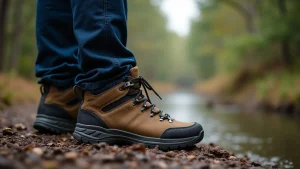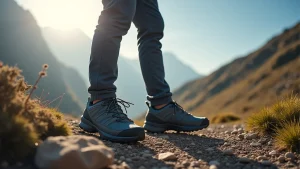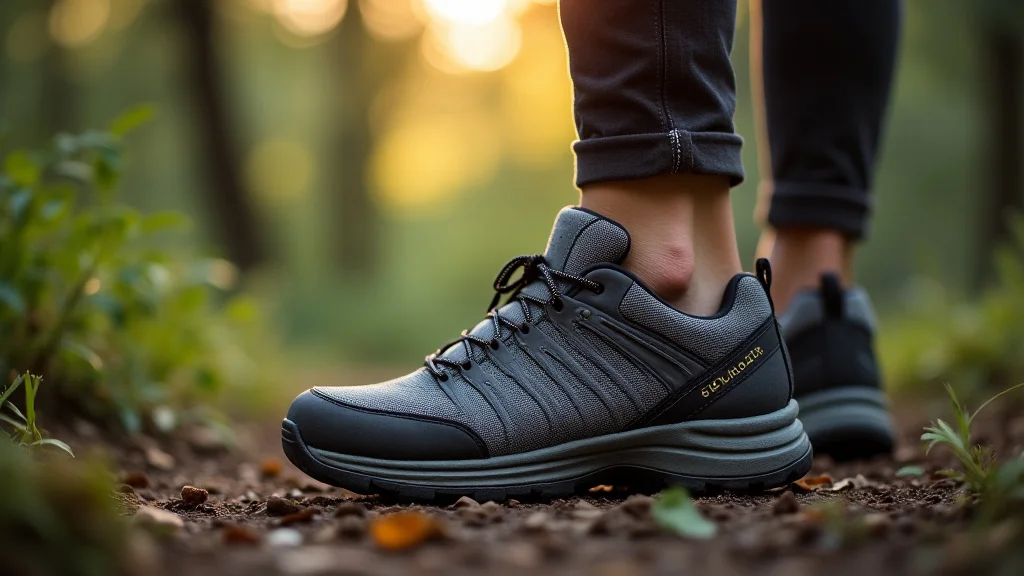
Remember that feeling? Standing at the trailhead, excited for your hike, only to realize the forecast called for rain. Suddenly, your perfect day seems less so. But with the right gear, like a pair of hiking shoes for women waterproof, you can transform a potential disaster into a fantastic adventure! This guide is for every woman who loves exploring the great outdoors, no matter the weather. We’ll explore everything you need to know, from choosing the right features to maintaining your boots, so you can enjoy every step. By the end, you’ll be well-equipped to select the best hiking shoes for women waterproof for your next hike, guaranteeing comfort and keeping your feet dry.
Key Takeaways
- Learn about the essential features of waterproof hiking shoes.
- Understand the different types of hiking shoes and which are best for you.
- Discover how to properly care for and maintain your waterproof hiking shoes.
- Find recommendations for some of the best waterproof hiking shoes available.
- Grasp the importance of fit and comfort for a pleasant hiking experience.
- Explore the advantages of waterproof technology on the trail.
Essential Features in Hiking Shoes
Choosing the right pair of hiking shoes requires careful consideration of several key elements. It’s not just about finding something that looks good; the features directly impact your comfort, safety, and overall enjoyment of your hikes. Waterproofing is a primary concern, but equally important are aspects like breathability, support, and the construction of the sole. You will be looking at things like the type of terrain you often hike on and the activities you participate in. The perfect pair will adapt to a wide variety of activities.
Waterproof Materials and Technologies
The core of any pair of waterproof hiking shoes lies in the materials used to shield your feet from the elements. Different brands employ various technologies, but the goal is always the same: to keep water out while allowing your feet to breathe. Materials and their capabilities vary. Many shoes utilize waterproof membranes such as Gore-Tex or similar technologies from other companies that provide a balance of water protection and breathability. These are typically layered within the shoe’s construction, creating a barrier against water while allowing moisture from sweat to escape. This helps prevent your feet from overheating and feeling clammy. Water-resistant treatments are also common, repelling water from the surface. Be aware that no materials are 100% waterproof unless they’re made completely of rubber.
- Gore-Tex: This is a brand name for a waterproof, breathable fabric membrane. It’s a popular choice because it offers excellent protection from the elements while allowing moisture vapor to escape.
- Water-Resistant Treatments: These coatings applied to the shoe’s surface help repel water. They’re often used in conjunction with a waterproof membrane to enhance protection.
- Seam-Sealed Construction: This involves sealing the seams of the shoe to prevent water from seeping through. It’s a critical part of the waterproofing process.
- Durable Water Repellent (DWR): This coating causes water to bead up and roll off the shoe’s surface. DWR treatments are common on the outer materials of the shoe.
- Waterproof Leather: Some hiking shoes use treated leather. Leather is naturally water-resistant, but treatments make it completely waterproof.
Breathability and Moisture Management
While waterproofing keeps water out, breathability is just as important for comfort. Your feet sweat, especially during a hike, and if that moisture can’t escape, it can lead to blisters and discomfort. Good hiking shoes balance waterproofing with breathability, allowing air to circulate. The materials used play a big role. Mesh panels and breathable linings help with ventilation. Moisture-wicking socks are important to manage sweat effectively.
- Breathable Linings: Materials inside the shoe that help wick away sweat, keeping your feet dry.
- Mesh Panels: Areas of the shoe that allow for increased airflow, improving breathability.
- Moisture-Wicking Socks: Socks designed to draw moisture away from your feet, keeping them dry and comfortable.
- Ventilation Systems: Some shoes have specialized ventilation systems designed to promote airflow.
- Balance Between Waterproofing and Breathability: Good hiking shoes must strike the correct balance between protecting against water and allowing for air circulation.
Support and Stability
Hiking often involves uneven terrain, and that’s why your shoes need to provide adequate support and stability. Features like a sturdy midsole, ankle support, and a well-designed outsole can make a huge difference in preventing injuries and improving your hiking experience. If you are going on a hike where you will be carrying a heavy pack, then greater support and stability are vital to help carry the load, and minimize the risk of sprains and strains.
- Midsole: Provides cushioning and shock absorption.
- Ankle Support: High-cut shoes offer greater ankle support, reducing the risk of sprains.
- Outsole: The bottom of the shoe, providing traction and grip on various surfaces.
- Insole: The removable footbed inside the shoe, which can impact comfort and support.
- Stability Features: Features like a wider base or a firmer midsole to improve balance.
Types of Hiking Shoes for Women Waterproof
The hiking shoe market offers different designs and constructions, each suited to specific types of hiking and terrain. Understanding these types will help you narrow down your choices and find the perfect fit. Some styles prioritize lightweight designs for speed and agility, while others focus on durability and support for extended hikes or rough terrain. When thinking about the type of hike you normally take, ask yourself what features are most important.
Hiking Shoes vs. Hiking Boots
The first major distinction is between hiking shoes and hiking boots. Hiking shoes are typically lower cut, lighter, and more flexible than boots. This makes them ideal for day hikes on well-maintained trails. Hiking boots, on the other hand, offer more ankle support and protection, making them suited for challenging terrain, backpacking trips, and carrying heavier loads. Both types are often available in waterproof versions, but the construction and intended use differ. Hiking boots are better for rough terrain.
- Hiking Shoes: Lightweight, flexible, suitable for day hikes and well-maintained trails.
- Hiking Boots: Provide more ankle support and protection, better for challenging terrain and carrying heavier loads.
- Low-Cut vs. Mid-Cut: Hiking shoes are generally low-cut, while boots are mid or high-cut.
- Weight Differences: Shoes are lighter than boots.
- Level of Support: Boots offer more ankle support.
Trail Running Shoes
Trail running shoes are a great choice if you love speed and agility on the trails. They are designed to be lightweight, with good traction and often feature waterproof membranes. These shoes prioritize breathability and responsiveness, making them ideal for covering ground quickly. Trail running shoes work well for activities like day hikes, fastpacking, and running on trails. However, they might not offer the same level of ankle support as hiking boots.
- Lightweight Design: Designed for speed and agility.
- Good Traction: Provides grip on uneven surfaces.
- Breathability: Often prioritizes breathability over maximum waterproofing.
- Best Use: Day hikes, fastpacking, and trail running.
- Compared to Boots: Lack the ankle support of hiking boots.
Approach Shoes
Approach shoes are a niche category, designed for the approach to rock climbing routes. They combine features of hiking shoes and climbing shoes. They offer excellent grip on rock, durability, and often have a waterproof membrane. These shoes are a good choice if you’re hiking on rocky terrain or doing some light scrambling. Approach shoes are known for their sticky rubber outsoles and are often more stiff than standard hiking shoes. They give the wearer more control.
- Sticky Rubber Outsole: Offers excellent grip on rock.
- Durability: Built to withstand rough terrain.
- Waterproof Membranes: Often include waterproof protection.
- Best Use: Approaching climbing routes, scrambling, and hiking on rocky terrain.
- Stiffness: Generally more stiff than hiking shoes, allowing for better control.
Finding the Right Fit for Hiking Shoes for Women Waterproof
A good fit is paramount for a comfortable and enjoyable hiking experience. Poorly fitting shoes can lead to blisters, foot pain, and even injuries. Before you purchase a pair of hiking shoes for women waterproof, taking the time to measure your feet and trying on different sizes will pay dividends on the trail. Remember that your feet often swell when you hike, so fitting your shoes properly is very important. Think about the socks you usually wear while hiking, as this will also play a role.
Measuring Your Feet
Knowing your foot measurements is the first step toward finding the perfect fit. Measure your feet while wearing the socks you plan to hike in. Measure both feet, as they may vary slightly in size. Take measurements at the end of the day when your feet are at their largest. Use a ruler or a foot measuring device. Compare your measurements to the size charts provided by the shoe manufacturer. If in doubt, size up rather than down, as you can always add an insole for a tighter fit.
- Measure at the End of the Day: Feet swell during the day, so measure when they’re at their largest.
- Wear Hiking Socks: Measure with the socks you’ll hike in.
- Measure Both Feet: Feet often vary slightly in size.
- Use a Ruler or Foot Measuring Device: Provides accurate measurements.
- Consult Size Charts: Compare your measurements to the shoe manufacturer’s charts.
Trying on and Testing the Shoes
Once you have a general idea of your size, it’s time to try on the shoes. Try them on in the store, if possible. Wear the hiking socks you plan to use. Walk around the store and pay attention to how your feet feel. Check for any pressure points or areas where the shoe rubs. Make sure there’s enough room in the toe box so your toes aren’t crammed. When trying them on, walk up and down an incline to replicate hiking conditions, and make sure your heel stays secure and doesn’t lift with each step. Ensure that there’s about a thumb’s width of space between your longest toe and the end of the shoe.
- Wear Hiking Socks: Replicate your hiking setup.
- Walk Around: Pay attention to comfort and pressure points.
- Check Toe Box Space: Make sure there’s room for your toes to move.
- Test on an Incline: Mimic hiking conditions.
- Heel Security: Ensure your heel doesn’t lift with each step.
Break-in Period
New hiking shoes for women waterproof might feel stiff at first. You should always break them in before a major hike. This helps soften the materials and molds the shoes to your feet. Wear your new shoes on short walks around your house or on easy trails. Gradually increase the distance and the difficulty of your walks. If you experience any discomfort, stop and re-evaluate the fit. Breaking in your shoes minimizes the risk of blisters and allows your feet to adjust to the new shape. Over time, the shoes will become more comfortable and ready for longer adventures.
- Short Walks: Start with short walks around your house.
- Gradually Increase Distance: Slowly increase the length of your walks.
- Easy Trails: Start with easy trails to minimize stress on your feet.
- Monitor for Discomfort: Stop if you feel any pressure or rubbing.
- Patience: Allow time for the shoes to mold to your feet.
Caring for and Maintaining Your Waterproof Hiking Shoes
Taking care of your hiking shoes for women waterproof will extend their lifespan and ensure they continue to perform well. Regular maintenance is essential. Simple steps such as cleaning after each hike, proper storage, and addressing any damage early will make a big difference. With the right care, your shoes can provide you with years of comfort and dependable weather protection.
Cleaning Your Shoes
After each hike, it’s essential to clean your shoes to remove dirt, mud, and debris. This will help prevent the materials from breaking down and maintain their waterproof properties. Use a soft brush or cloth to remove any loose dirt. If your shoes are muddy, rinse them with water. Avoid using harsh chemicals or detergents. Use a mild soap if needed, and let them air dry away from direct heat or sunlight. Avoid putting them in the washing machine or dryer. You can consider a specialized shoe cleaner for hiking boots.
- Brush off Loose Dirt: After each hike, remove dirt and debris.
- Rinse with Water: Rinse off mud and dirt.
- Mild Soap: Use mild soap if needed.
- Air Dry: Let them air dry away from heat or sunlight.
- Avoid Harsh Chemicals: Do not use harsh detergents.
Waterproofing Treatment
Over time, the waterproof treatment on your shoes can wear off, so you might need to reapply a waterproofing product. This will restore the water-repellent properties of the outer materials. There are various products available, including sprays and washes. Follow the instructions on the product label. Apply the treatment to clean, dry shoes. The waterproofing treatment will keep water from seeping into the shoe. Re-waterproof your shoes periodically, especially if you hike frequently in wet conditions. You can generally tell when the treatment is wearing off because the water stops beading on the surface.
- Reapply Treatment: Use a waterproofing spray or wash.
- Follow Instructions: Always follow the product instructions.
- Apply to Clean, Dry Shoes: Before applying the treatment, clean the shoes.
- Frequency: Re-waterproof periodically.
- Check for Water Beading: The water should bead on the surface.
Storage
Proper storage is vital to preserving your hiking shoes for women waterproof. When you aren’t using your shoes, store them in a cool, dry place. Avoid storing them in direct sunlight or in extreme temperatures. These conditions can damage the materials. Make sure your shoes are completely dry before storing them. Consider using shoe trees to help maintain their shape and prevent creases. Proper storage will keep your shoes in good condition. Storing shoes correctly is just as important as cleaning them.
- Cool, Dry Place: Store in a cool, dry area away from direct sunlight.
- Completely Dry: Ensure your shoes are dry before storage.
- Avoid Extreme Temperatures: Prevent damage to the materials.
- Shoe Trees: Use shoe trees to maintain the shape of your shoes.
- Proper Ventilation: Ensure proper air circulation.
Best Hiking Shoes for Women Waterproof
There are many outstanding hiking shoes for women waterproof available. The best choice for you depends on your hiking style, the type of terrain you often tackle, and your budget. Research from consumer magazines often lists the best options for different uses. The ideal shoes provide a balance of features, durability, and comfort to keep your feet protected and comfortable on the trail. Check customer reviews to see what other women are saying about their shoes.
Top Brands and Models
Various brands specialize in hiking shoes, each with its strengths. Some popular brands include Salomon, Merrell, Keen, and Oboz. These companies are well-known for their expertise in creating high-quality hiking footwear. Many offer a wide range of models, each designed for different needs and preferences. Look for models with features like good traction, waterproof membranes, and comfortable fit. Many options are available, so you will want to select those that work best for your needs. Research the models that interest you.
- Salomon: Known for their lightweight and agile designs.
- Merrell: Popular for their comfort and versatility.
- Keen: Famous for their wide toe boxes and sturdy construction.
- Oboz: Renowned for their supportive and durable designs.
- Review Models: Research the specific models offered by these brands.
Features to Look For
As you evaluate your options, look for specific features. These details will enhance the quality of your hike. Start with waterproof membranes like Gore-Tex. Prioritize good traction and grip, especially if you hike on varied terrain. A comfortable fit is paramount, so pay attention to the insole and cushioning. Features like a reinforced toe cap and a durable outsole will add protection. These details will contribute to the durability of your shoes. Consider the materials used, like leather or synthetic materials, and their impact on breathability and water resistance.
- Waterproof Membrane: Like Gore-Tex for water protection.
- Good Traction: For grip on various terrains.
- Comfortable Fit: Pay attention to the insole and cushioning.
- Reinforced Toe Cap: To protect your toes.
- Durable Outsole: For long-lasting wear.
Finding the Right Shoes for Your Hiking Style
Consider your personal style and the conditions you often hike in. If you’re a fast hiker, you might prefer lightweight trail running shoes. If you carry a heavy pack or hike on rugged terrain, then hiking boots are more fitting. For day hikes on well-maintained trails, hiking shoes could be the best option. Think about the climate you hike in. Those who hike in wet or snowy climates will want a higher level of waterproofing. Select shoes that match your needs. Your choice should enhance your hiking experience.
- Day Hikes on Well-Maintained Trails: Hiking shoes are generally a solid choice.
- Backpacking Trips and Rough Terrain: Hiking boots provide more support and protection.
- Speed and Agility: Trail running shoes are usually the best choice for this.
- Wet or Snowy Climates: Focus on waterproof and insulated options.
- Assess Your Personal Preferences: What features are most important to you?
Common Myths Debunked
Many misconceptions surround the topic of waterproof hiking shoes. Dissecting these common myths will allow you to make well-informed decisions and pick the right shoes. The reality is often more nuanced than the myths suggest. Understanding these points will empower you to select the best shoes for your needs. Proper information leads to better choices. This leads to a better overall experience.
Myth 1: Waterproof Shoes Are Always Hot
The misconception that waterproof shoes are always hot comes from thinking about the materials. Waterproof membranes often trap heat inside. However, modern hiking shoes for women waterproof are made with breathable materials that allow some degree of airflow. Technologies such as Gore-Tex and other advanced materials are designed to balance waterproofing with breathability, so this will minimize the potential for overheating. Select a shoe that balances waterproofing and breathability.
Myth 2: Waterproof Shoes Are Only for Rainy Days
Waterproof hiking shoes are great for rain, but they’re useful in other conditions. They are also helpful when crossing streams, hiking through wet grass, or walking on muddy trails. Waterproof shoes help keep your feet dry and comfortable in various circumstances. You can use waterproof shoes in almost all hiking situations. This makes them a wise choice for any hike.
Myth 3: All Waterproof Shoes Are the Same
Many think all waterproof shoes are equal. The truth is, different brands and models use different technologies and materials. There is a range in features, quality, and performance. Some shoes are more breathable than others. Some provide better support or traction. Make sure you select the right shoe for your needs. This requires comparing different options and researching specific models. Not all waterproof shoes offer the same protection.
Myth 4: Waterproof Shoes Last Forever
No shoe will last forever. Waterproof hiking shoes eventually wear out, and their waterproof properties decline with time. The waterproof membrane can break down. The outer materials can wear. Proper care and maintenance can extend their lifespan, but they will need replacement. Remember to check your shoes regularly and replace them when they are worn out. The lifespan of hiking shoes depends on many factors, like use and care.
Myth 5: Expensive Shoes Are Always Better
Expensive shoes are often better quality, but cost isn’t everything. Some affordable hiking shoes for women waterproof offer excellent performance. The perfect shoe hinges on your individual needs. When shopping, prioritize features like fit, comfort, and the shoe’s suitability for your hiking style. Do your homework. Read reviews. Consider different models and prices. Remember that the best shoe is the one that suits your needs.
Frequently Asked Questions
Question: How often should I re-waterproof my hiking shoes?
Answer: It depends on how often you hike and the conditions. If you hike frequently, especially in wet conditions, re-waterproof your shoes every few months or as needed. If you notice water isn’t beading on the surface anymore, it’s time to reapply the treatment.
Question: Can I wash my waterproof hiking shoes in the washing machine?
Answer: It is best not to do that, as it can damage the waterproof membrane and other materials. Instead, clean your shoes by hand with a brush, mild soap, and water.
Question: Are waterproof shoes good for hiking in hot weather?
Answer: Yes, with the proper design, waterproof shoes can be suitable for warmer weather. Look for models with good breathability and moisture-wicking linings to help manage sweat and keep your feet comfortable.
Question: What’s the difference between water-resistant and waterproof?
Answer: Water-resistant shoes can repel water to some extent. Waterproof shoes create a barrier that prevents water from penetrating the shoe.
Question: How do I remove odors from my hiking shoes?
Answer: You can use shoe deodorizers, baking soda, or special shoe inserts designed to absorb odors. Air your shoes out after each hike and store them in a well-ventilated area.
Final Thoughts
Choosing the right hiking shoes for women waterproof is a significant step toward enjoying your time on the trail. By understanding the key features, the different types of shoes, and how to properly care for them, you can find the perfect pair to match your needs and hiking style. Remember to prioritize fit, as proper fit is vital for both comfort and injury prevention. Taking the time to consider these factors guarantees that you can enjoy many happy miles in your waterproof hiking shoes. Don’t be afraid to experiment to find what suits you best. Get out there, explore, and let your waterproof shoes lead the way to new adventures!